Find tips and inspiration – together, we can make a difference
Would you like to learn more? The guide A Guide to Biodiversity includes these and many other tips, ideas and instructions on how you can help biodiversity. The guide was produced by the Environment and Health Administration of the City of Stockholm and is available to download free of charge from the City’s website.
1. Let your garden grow
Meadows are among the most species-rich habitats, while closely mown lawns support very few species. You can create a flower meadow without spending a lot of money. Your lawn may already contain plants that will flower if you leave some areas unmown.
2. Preserve and care for existing sandy areas
Many insect species need sunny, warm patches of bare sand or soil where they can dig their nests. Avoid adding topsoil to sandy ground.
3. Plant nectar-rich flowers
Planting nectar-rich flowers can help pollinating insects. It does not have to be difficult or require a large area. Even a small window box or flower bed can help these important insects.
4. Don’t dump garden waste in nature
Never dump garden waste in natural areas. It may contain invasive plants that can spread and crowd out native wild plants in the surrounding area.
5. Put up bird and bat boxes
Did you know that around 126 bird species breed in Stockholm, and that at least 11 bat species live there? You can help birds and bats find suitable nesting places by putting up boxes. Choose a box suited to the species you want to support and the place where you plan to put it.
6. Create a small pond
Ponds and other small bodies of water provide habitats for a range of aquatic organisms. Even a simple “pond”, such as a tub sunk into the ground or a small barrel, can make a big difference and become an important habitat for aquatic plants and animals.
7. Make sustainable choices
Choose climate-smart food, preferably seasonal and locally grown. Use environmentally friendly cleaning products, and avoid using chemicals in your garden.
8. Put up insect hotels and butterfly boxes
An insect hotel can help many small creatures find places to nest and overwinter. Numbers of many solitary bee species have declined, so an insect hotel can be valuable for these important pollinators.
9. Make a compost heap
Many animal species thrive in compost heaps. They can provide shelter and a place to overwinter for animals such as hedgehogs, common lizards, earthworms and other small creatures.
10. Leave dead wood in place
Dead wood comes in many forms, from standing dead trees—such as snags, dead trees and tree remnants—to fallen trunks and branches. It is vital to many species. Some use it as food, while others use it as a nesting or growing place, or as shelter during hibernation.
11. Insect hotels and butterfly boxes
Numbers of many solitary bee species have declined, so an insect hotel can be valuable for these important pollinators. Other insects and small creatures may also use insect hotels as places to nest or overwinter. Butterflies also need places to shelter. A butterfly box can give them a place to hide or spend the winter.
12. Remember moths
Many moth species have declined in recent decades, mainly because of changes to agricultural landscapes. You can help by planting flowers that release their scent in the evening and are pollinated by moths, such as flowering tobacco, stock and dame’s rocket.
13. Plant flowering and berry-bearing shrubs and trees
Flowering and berry-bearing shrubs and trees attract many different birds and small creatures. Consider planting flowering shrubs and trees in groups between open areas and woodland. A sheltered spot by a wall or another windbreak is a good choice. Planting groups in a south-facing position keeps them warm and benefits pollinating insects.
14. Report any invasive non-native species you find
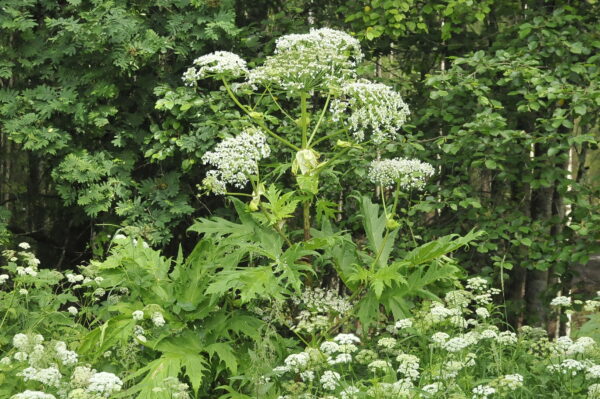
Giant hogweed, Himalayan balsam and yellow skunk cabbage are examples of invasive non-native species found in several places in Stockholm. If you find an invasive non-native species, you can report it to Artfakta, run by the Swedish Species Information Centre at SLU. If it is on land owned by the City, you can also inform the City of Stockholm.