We use cookies to improve, measure and analyze the use of the website as well as for visitor statistics and marketing.

Sustainability at Skansen

Skansen’s sustainability work is guided by global and national goals, including the UN Sustainable Development Goals in Agenda 2030. It addresses environmental, social and economic considerations through priorities and activities across the organization.
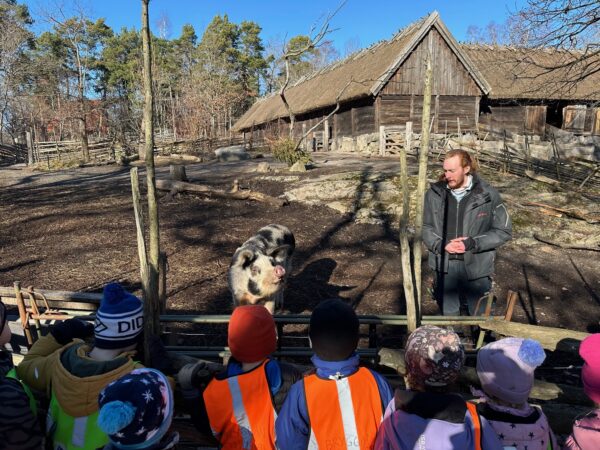
  • Skansen’s work on sustainability covers environmental, social and economic considerations. The work is guided by global and national goals and supported by an action plan with priorities and activities across the organization.

    Ongoing work

    Sustainability-related considerations are integrated into different areas of Skansen’s work. These include energy and water use, waste management, transport, emissions, working conditions and financial decisions. Environmental impact is considered alongside historical, technical and economic requirements.

    The action plan sets out activities in prioritized areas and is reviewed as the work develops.

    Responsible use of resources

    Skansen’s work on resource use includes reducing energy and water consumption, phasing out fossil fuels, improving waste sorting and recycling, and managing waste more efficiently.

    Measures are developed across the organization. Progress is followed up as part of the ongoing work.

    Species conservation and animal welfare

    Education, species conservation and research are central areas of work at Skansen Zoo. Through these activities, Skansen contributes to knowledge about animals, nature and biodiversity.

    Skansen is a member of IUCN (International Union for Conservation of Nature), EAZA (European Association of Zoos and Aquaria), WAZA (World Association of Zoos and Aquariums) and SDF (Svenska Djurparksföreningen). These organizations provide networks for collaboration and work related to conservation, research, education and animal care.

    Animal welfare guides the care and management of animals at Skansen. Their care and living environments are planned around the needs of each species and individual. The environments provide opportunities for animals to carry out natural behaviours and withdraw from visitors. Facilities provide shelter from weather and are designed to meet applicable requirements. Animal-care staff use knowledge of animal biology and behaviour, scientific information and practical experience to inform their work.

    Learning about nature and sustainable development

    Skansen’s educational activities cover nature, cultural heritage and sustainability. Students can explore these subjects through learning experiences at Skansen.

    As a public institution, Skansen works to make learning and information accessible to different audiences.

    Partnerships and collaboration

    Skansen collaborates with organizations and partners in areas connected to education, species conservation and sustainability. Partnerships can support activities and contribute to Skansen’s work.

    A good workplace

    Employees play an important role in Skansen’s work and in the experiences offered to guests. Skansen works to provide a good working environment and opportunities for employees to develop. Leadership, collaboration and a shared values-based culture are part of this work.

Skansen's sustainability work – prioritized development areas

Safeguarding culture, animals and nature

  • Preserving and sharing cultural heritage
  • Species conservation and biodiversity
  • Preserving native breeds and heritage plants
  • Education
  • Animal health and welfare

Climate-smart and resource-efficient

  • Mindful food service
  • Smart energy use
  • Responsible water use
  • Waste management and circularity
  • Climate adaptation

Responsible governance and good relationships

  • Developing partnerships and collaborations
  • An inclusive and engaging workplace
  • Responsible procurement
  • Sustainable events
  • Health and safety
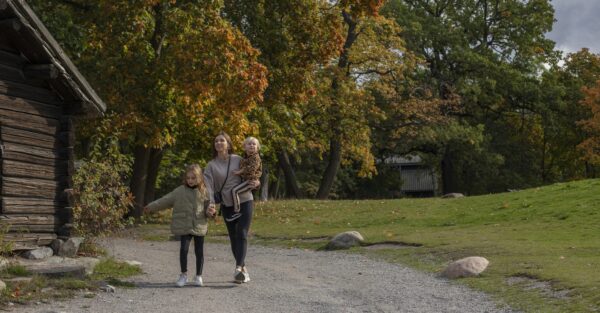
  • A family enjoying autumn at Skansen

    For the fourth year in a row, Skansen has been named the brand perceived as most sustainable in Sweden’s travel and tourism industry in the Sustainable Brand Index. The ranking is based on Swedish consumers’ views of how sustainable different brands are.

  • Dance around the Christmas tree with Skansens folk dancers

    Our dedicated volunteers play a crucial role in enhancing the guest experience. Actively engaged in interactions with Skansen’s visitors, our volunteers contribute to creating a welcoming atmosphere.

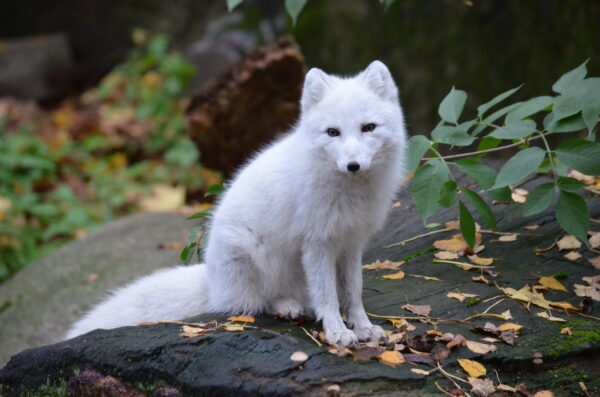
  • Skansens is an active partner of The Swedish Arctic Fox Project (Svenska Fjällrävsprojektet). We support the research project through funding and staff resources.