In Sweden, 2,373 species were assessed as threatened in the 2025 Red List. This assessment covers species evaluated by the Swedish Species Information Centre at SLU, including animals, plants, fungi and algae.
Skansen works to help conserve biodiversity through species conservation, research and education. Visitors can learn more about animals, nature and why biodiversity matters.
Learning about nature
Skansen’s educational activities give visitors and school pupils opportunities to meet animals and learn about nature, biodiversity and conservation. The Baltic Sea Science Center and the biodiversity exhibition offer further ways to explore species and habitats.
Plants and historic gardens
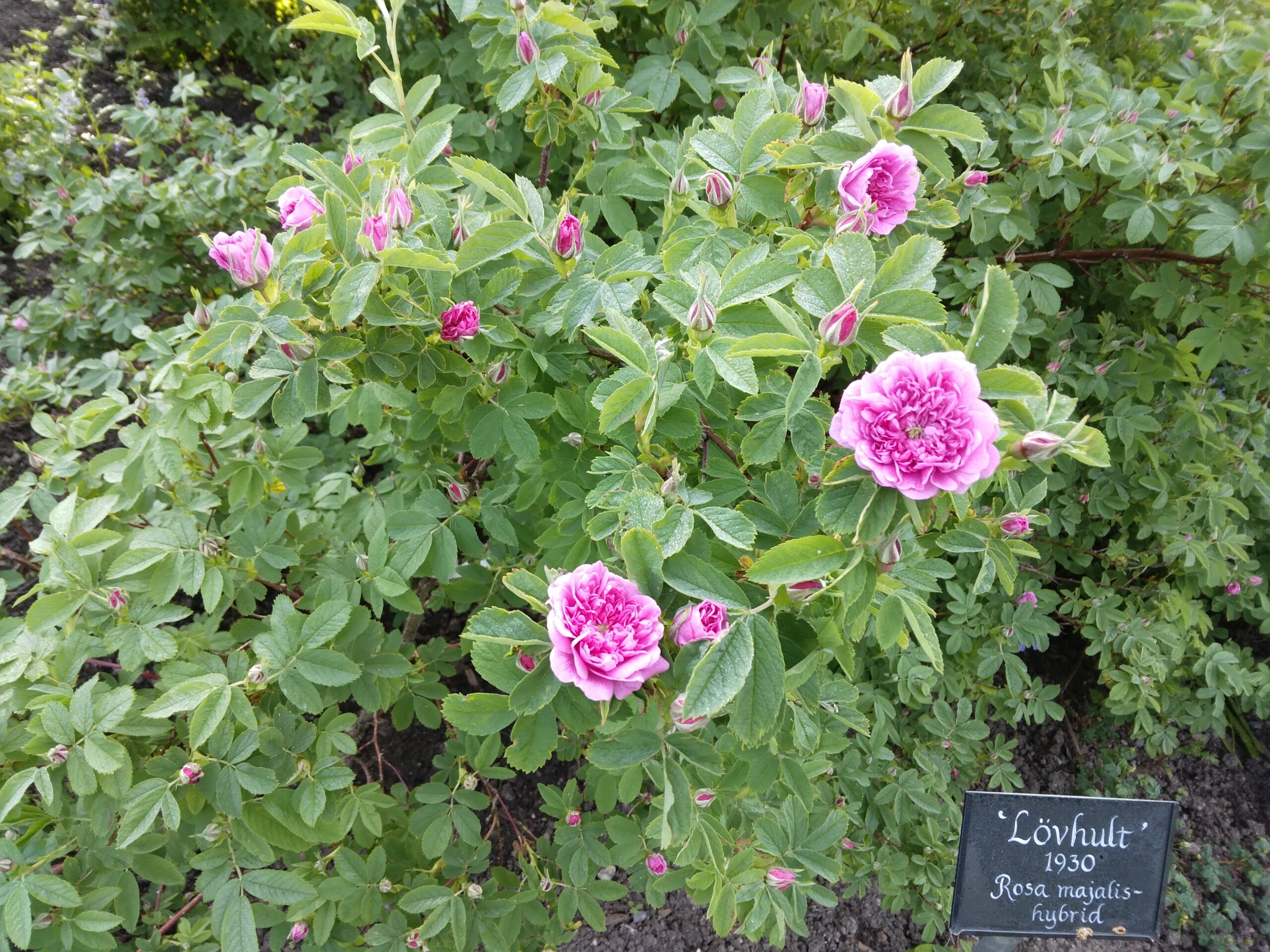
Skansen’s gardens include heritage plants and cultivated areas with historical connections. They preserve valuable genetic material and tell the story of traditional growing practices and the role of plants in everyday life.
Species conservation and research
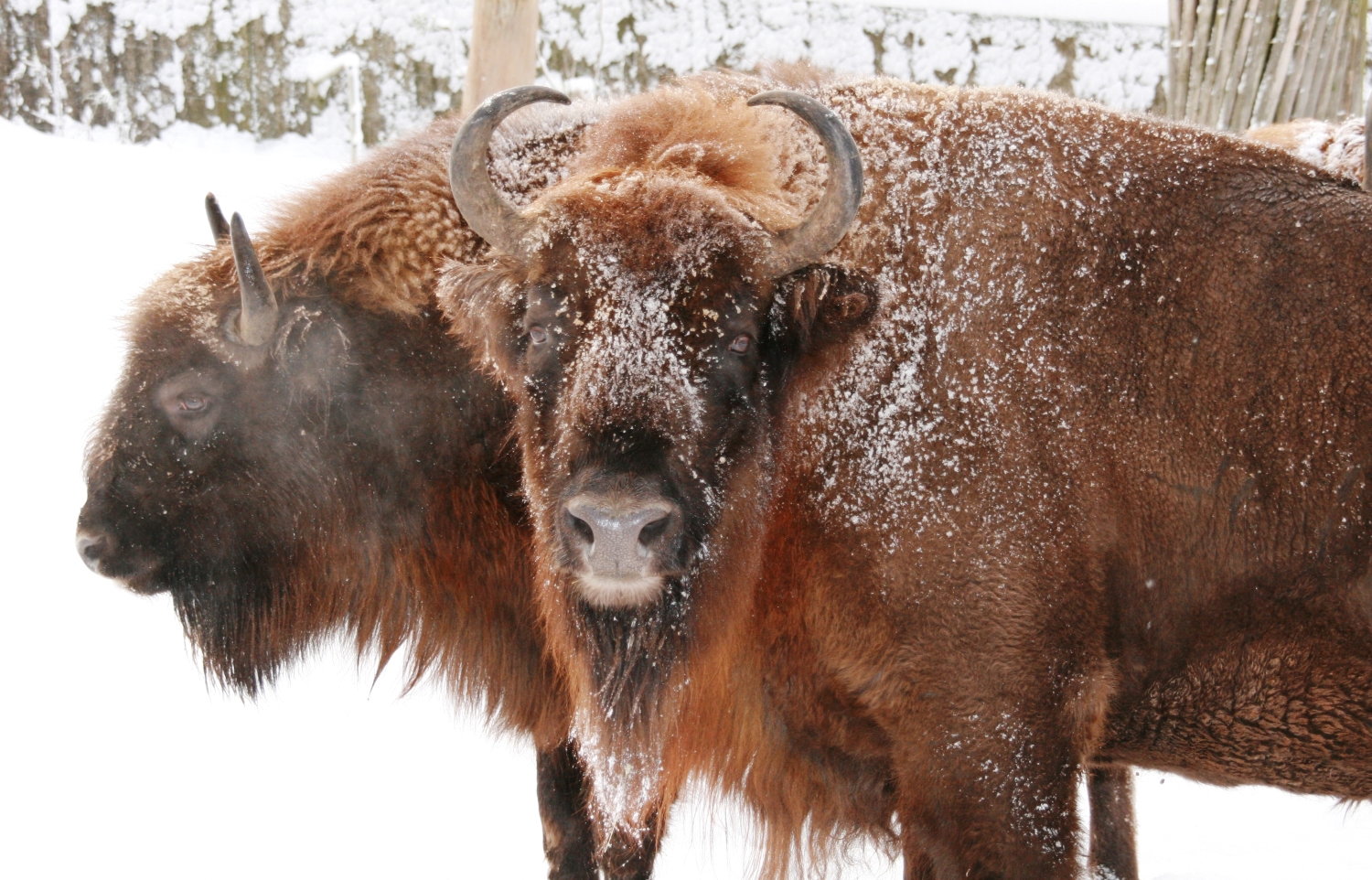
Many animals at Skansen are part of national and international conservation efforts. Skansen participates in EAZA Ex situ Programmes (EEPs) for species including wolverines, otters, European bison, brown bears, lynx, seals, European pond turtles and forest reindeer.
Skansen also contributes to fieldwork and research. As part of the Swedish Arctic Fox Project, led by Stockholm University, Skansen provides financial support and helps with fieldwork such as tagging and weighing foxes and mapping their dens. For forest reindeer, breeding at Skansen contributes to an international effort to build a reserve population and support the species’ reintroduction in Finland.
Research collaborations help increase knowledge about animals, their needs and how to conserve them. Skansen contributes expertise, data, samples and practical support to projects with universities and other partners. Skansen also contributes biological samples to the EAZA Biobank, where researchers can access samples from zoo and aquarium animals, and sometimes wild animals, to support conservation research.
Swedish native breeds
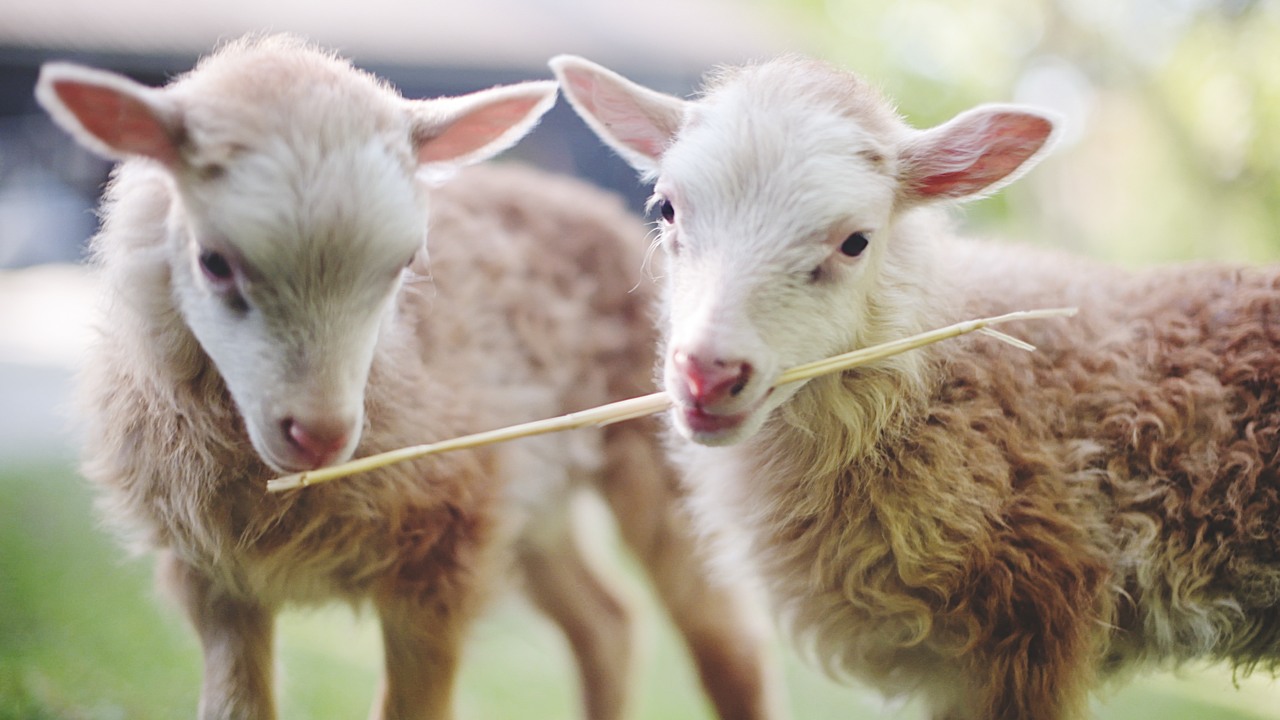
Skansen participates in conservation gene banks for all Swedish native livestock breeds kept at the zoo, including Fjällnära cattle, Scania geese and Linderöd pigs. The gene banks help preserve the breeds’ genetic variation and cultural heritage.
An exhibition about biodiversity
In 2022, Skansen opened an exhibition about biodiversity along the escalator. Take a ride through the exhibition, from the seabed to a city pigeon flying above the rooftops.