We use cookies to improve, measure and analyze the use of the website as well as for visitor statistics and marketing.

The Worker's Home

At the end of the 1800s, Sweden’s cities were crowded and housing was scarce. Many people moved from the countryside to the towns in search of work, but life for working families was often hard. Days in the factories were long, and an entire family – sometimes with lodgers as well – could share a single room. Step inside and see what life might have been like for a working-class family in Stockholm in the 1890s.

  • Facts
    Original location:

    Bondegatan 50, Stockholm

    Built:

    Most likely in the early 1700s

    Moved to Skansen:

    1935

    Construction:

    Two-storey timber building with a turf-covered roof

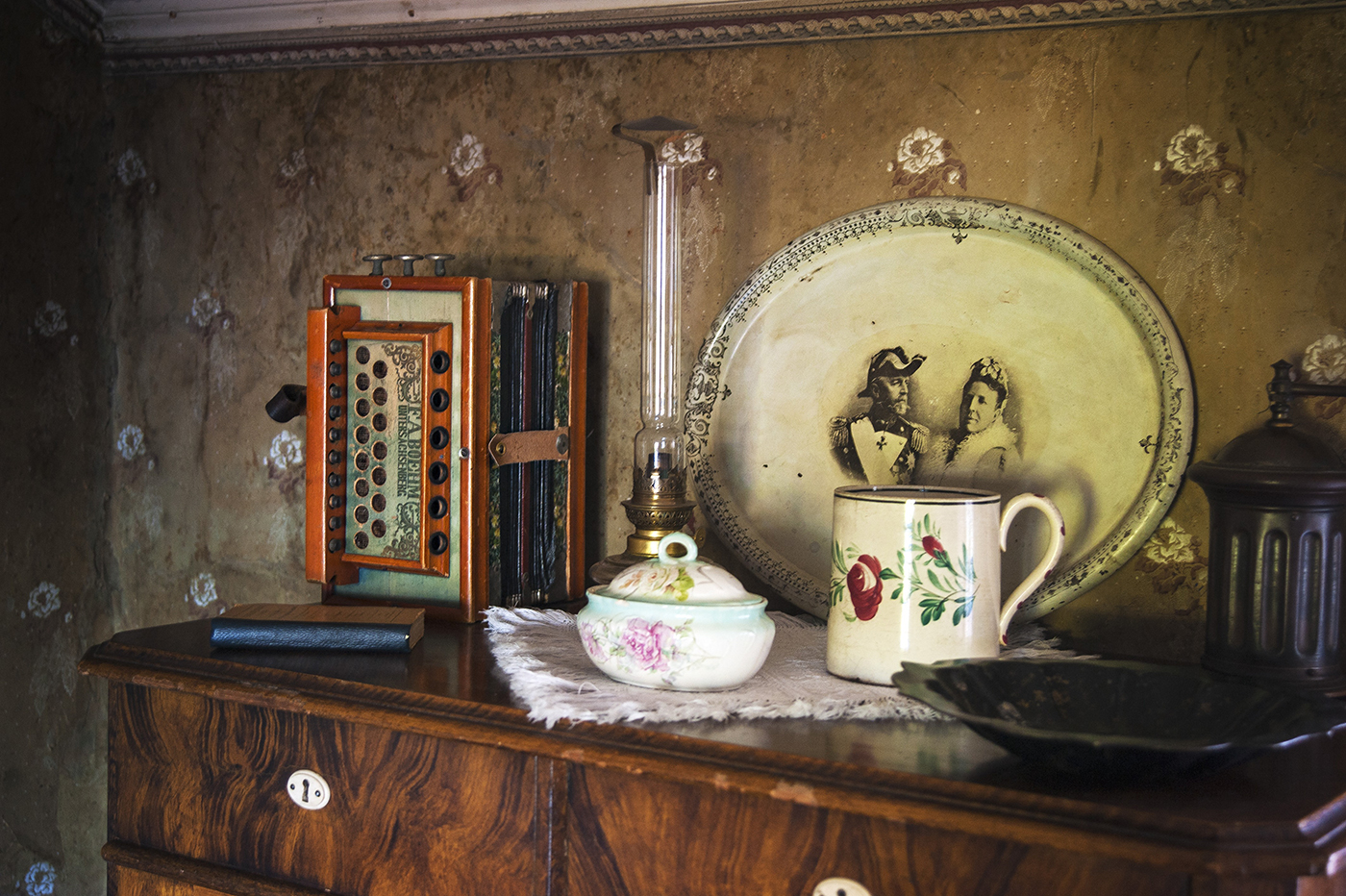
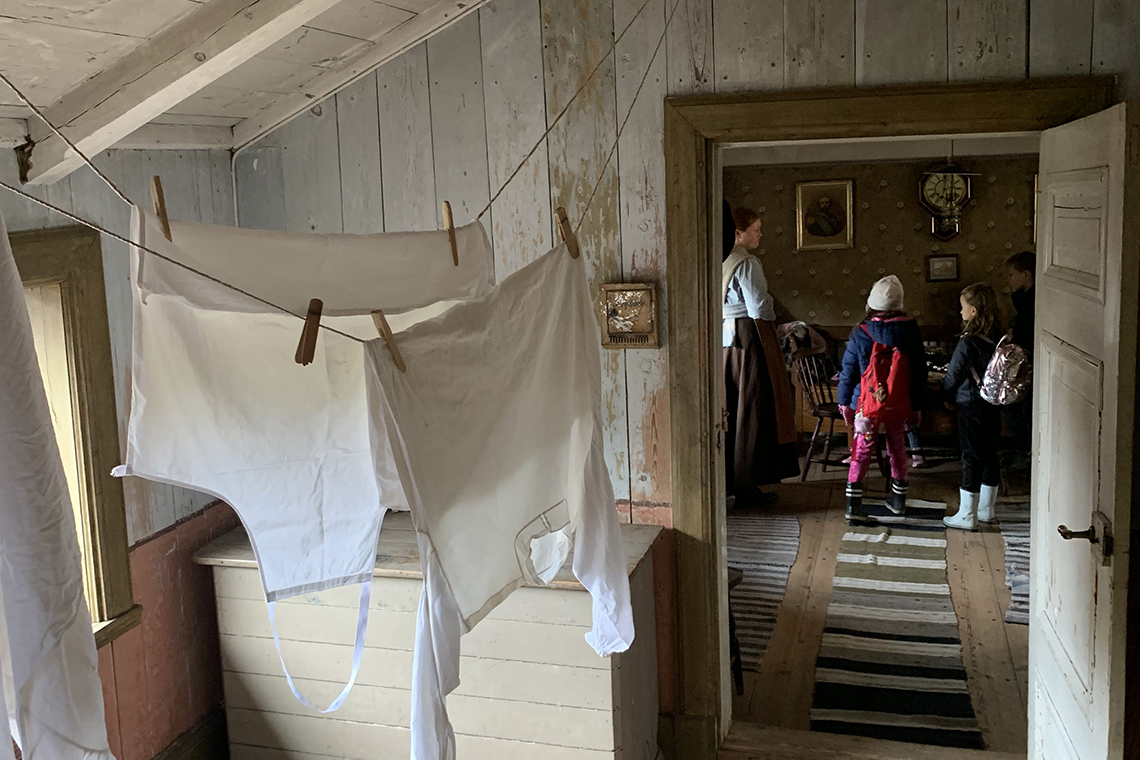
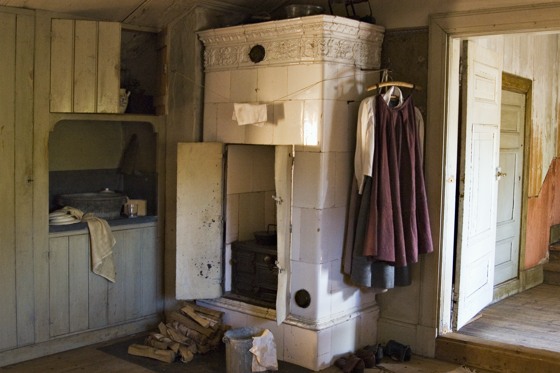
  • The Workers’ Home shows how a family could live in just one room in a city in the late 1800s. There was no separate kitchen. The room was heated by a tiled stove, which was also used for cooking. Water and firewood had to be carried up the long, steep stairs, and the privy (outdoor toilet) was outside in the courtyard.

    The parents and one of the youngest children slept in the pull-out bed. Several children slept on the sofa, while those who did not fit slept on straw mattresses on the floor. Rag rugs covered the floor and, during cold winters, they could be spread across the entire room for warmth. Despite the cramped conditions, many families took in lodgers who shared a mattress on the floor – a way to help pay the rent.

    Work, competition and protest

    Working days could last 10–12 hours. In 1890, Sweden’s first May Day demonstration was held, with demands for an eight-hour working day. Other important demands included universal suffrage and a ban on child labour.

    Competition for jobs was fierce, and many workers accepted lower wages to increase their chances of being hired. Work was often seasonal, and many people did not have employment all year round.

    Women’s extra labour

    Inside the Worker’s Home is a treadle sewing machine. In addition to caring for the home and children, many women took on sewing work. A home seamstress might work for a tailor’s workshop, sewing coats or suits. The work took many hours and the pay was low. Sitting bent over the sewing was physically demanding, and the poor lighting strained the eyes.

    Childhood in the city

    Children often had to look after themselves. Streets and backyards became their playgrounds. Toys were few, so children played together, with older children teaching the younger ones. Common games included hide-and-seek, tag, and cat and mouse.

Interior in the Worker's Home

Interior in the Worker's Home

The tile stove in the Worker's Home

  • The move to Skansen

    In the late 1920s, Skansen planned to create an urban quarter. Around the same time, the City of Stockholm was buying older properties to make way for larger, more modern buildings. The house at Bondegatan 50 was demolished in 1929 and donated to Skansen, where it was rebuilt in 1935.

    The interior was first created for the Swedish Metalworkers’ Union’s jubilee exhibition in 1938. Two years later, it was moved into the house from Bondegatan. The home was reconstructed after interviews and extensive research into housing conditions in Stockholm during the 1880s and 1890s.

    About the building

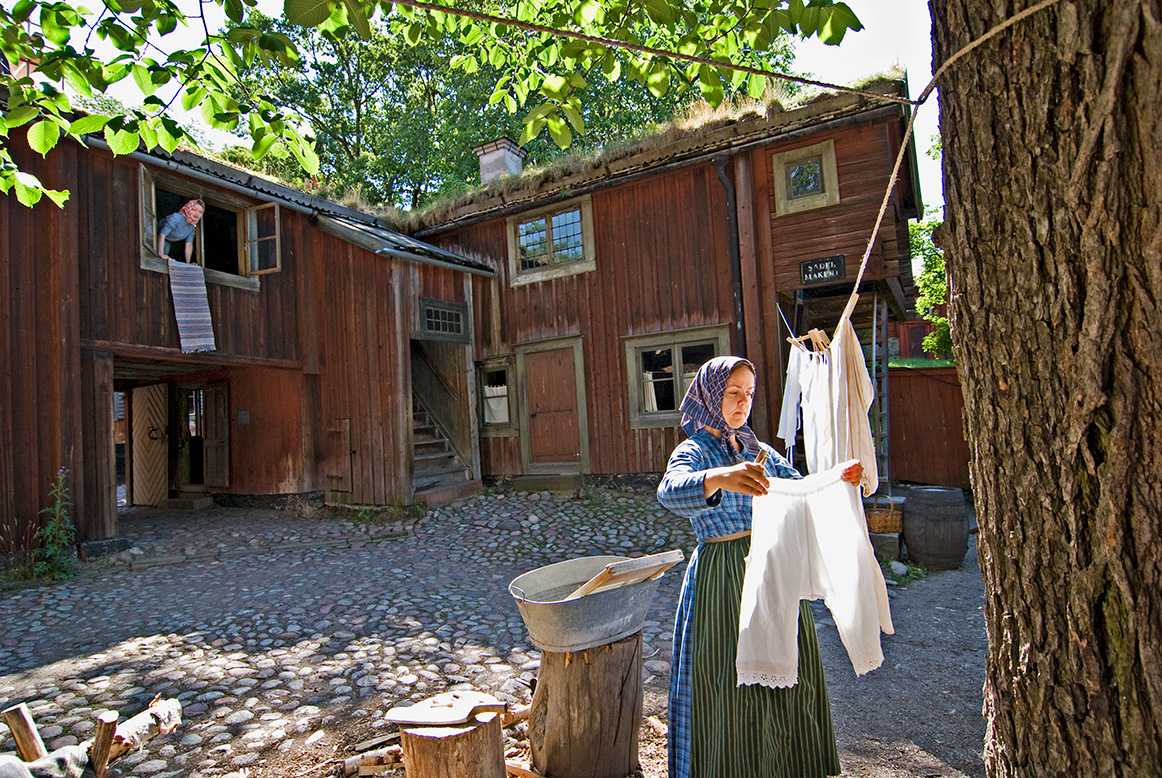
    The house is a two-storey timber building clad with vertical wooden panelling.

    The facade is painted in traditional Swedish red paint (röd slamfärg). The window frames are painted grey with linseed oil paint, while the window sashes are painted English red. The gable roof is covered with turf.

  • Accessibility

    Access to the Worker’s Home is very limited due to a steep staircase.

Inga kalendertillfällen är registrerade just nu.