We use cookies to improve, measure and analyze the use of the website as well as for visitor statistics and marketing.

Forest Finn Farmstead

Forest Finns came to Värmland to cultivate the forest using slash-and-burn agriculture, to create fertile soil that could produce rich harvests. By the 1800s, Sweden’s population was growing, while the expanding forest industry claimed more and more of the valuable woodland. As a result, many Forest Finns lost access to the forest and land they depended on. At the Forest Finn Farmstead, visitors can learn about life in the mid-1800s and how people lived when they no longer owned forest or farmland.

  • Facts
    Original location:

    Lekvattnet and Gräsmark parishes, Värmland

    Built:

    From the mid-1600s to the 1800s

    Rebuilt to Skansen:

    1902–1904

    Construction:

    Notched-log buildings with roofs covered in firewood

  • In the 1200s, the Swedish realm expanded eastwards across the Baltic Sea and came to include Finland. For centuries, there was close contact between the western and eastern parts of Sweden with people, labour and culture moving between them.

    In the 1600s, many people from eastern Finland moved to Sweden and became known as Forest Finns. Many settled in the borderlands between Sweden and Norway, including parts of Värmland. Some moved to escape the wars between Sweden and Russia, which were often fought on Finnish soil. They also needed large areas of forest for slash-and-burn agriculture.

    The migrations were encouraged by Swedish rulers, who saw that the cultivation of new land could bring in new tax revenue.

    The Forest Finns settled in areas with large spruce forests. They used slash-and-burn farming, where trees were felled, dried and burned to create fertile soil. Rye was then sown in the cooled soil and harvested the following year. Alongside farming, the Forest Finns hunted, fished, kept animals and made objects from birch bark.

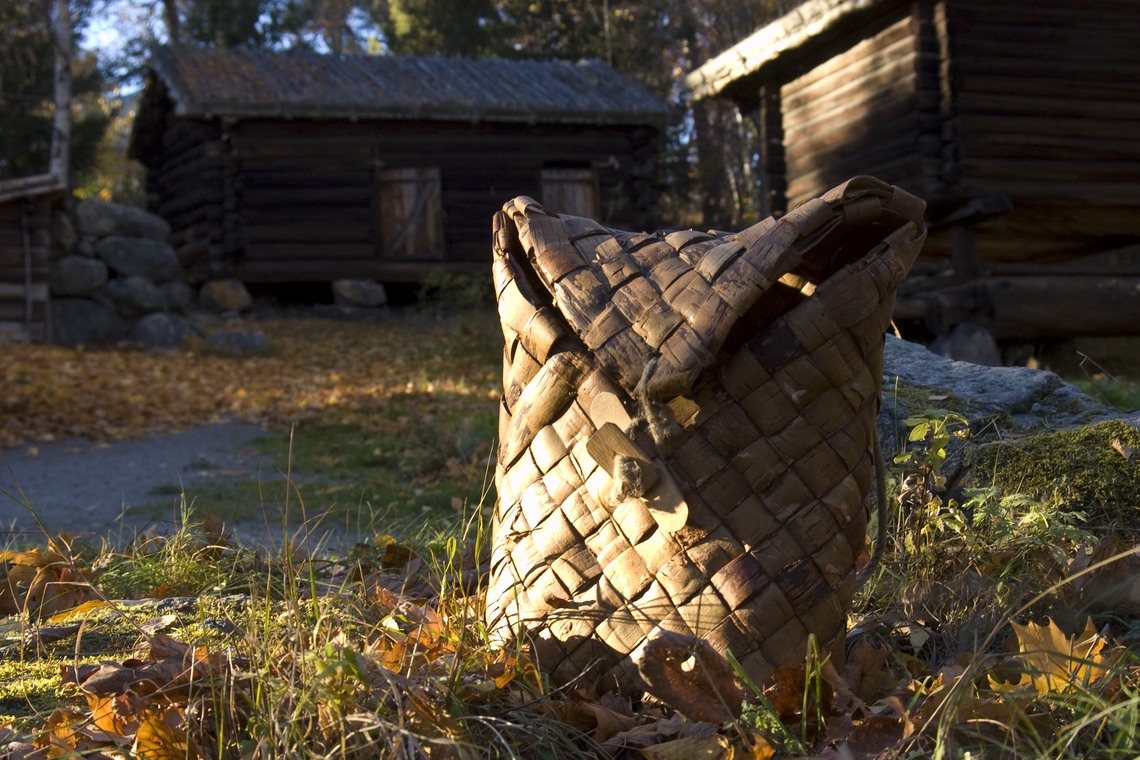
  • Näverväska, Finngården på Skansen. Foto: Marie Andersson

    Bag made from birch bark

  • The farmstead’s buildings

    Forest Finn settlements consisted of several buildings, each with its own function. The buildings at Skansen are log-built, in one or two storeys, with firewood-covered roofs.

    The oldest building is a ria, an old type of building used for threshing and drying grain, but also for living. The ria at Skansen was originally built in the mid-1600s and was probably one of the first buildings on a new settlement.

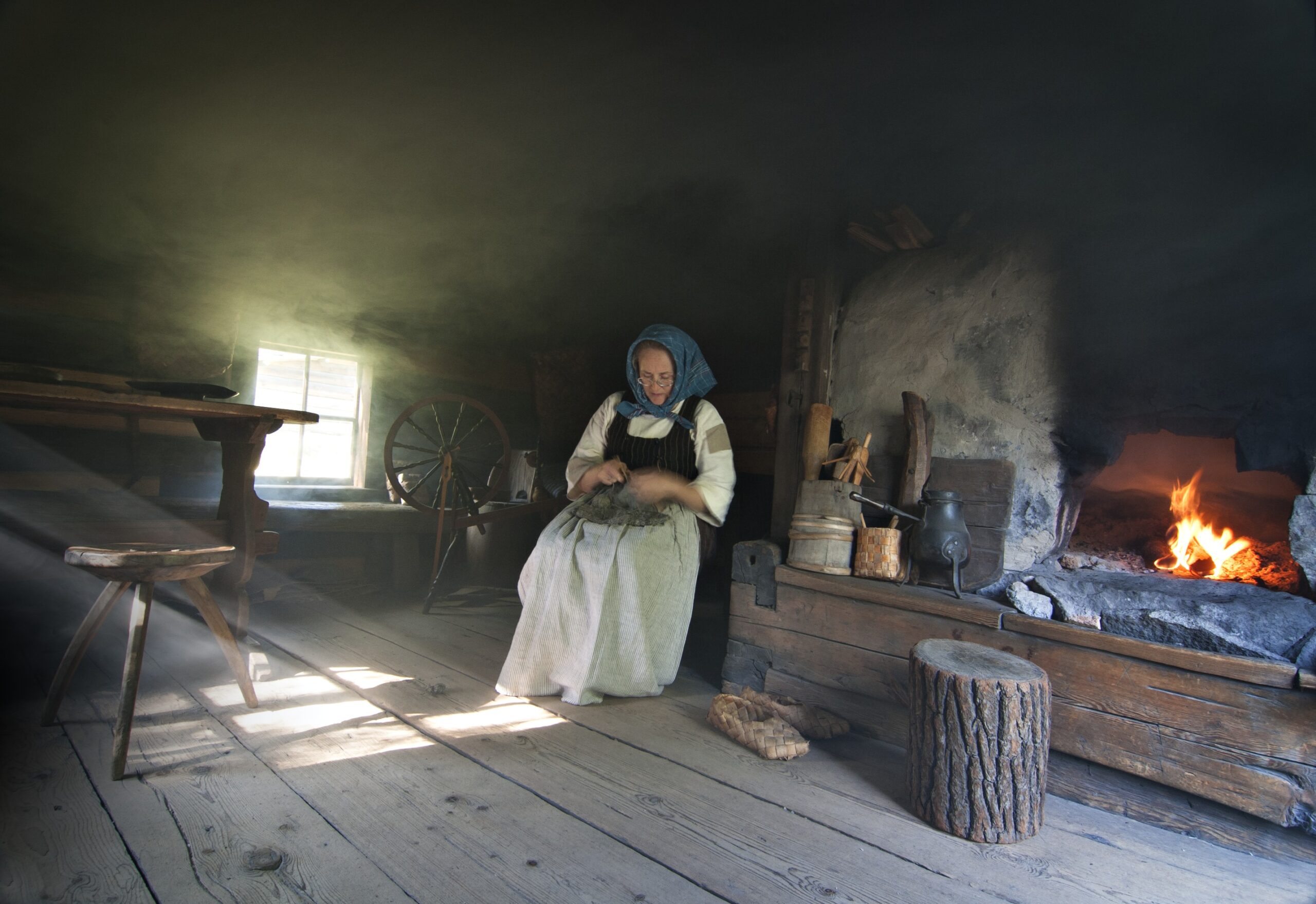
    The farmstead also includes a smokehouse, known in Finnish as a pörte. It was heated by a smoke oven without a chimney. The smoke rose towards the ceiling, where it formed a cloud before being led out through a smoke channel in the inner roof. The large mass of stone in the building stored heat very effectively. In winter, a single daily firing could keep the room at an even temperature of 15–20°C.

    There is also a simple cooking house, used for preparing food in summer. Originally farmsteads like this would also have had a small sauna.

    Constructing the farmstead at Skansen

    Skansen’s founder, Artur Hazelius, wanted all Swedish provinces to be represented at Skansen. In the 1890s he hired people in Värmland to help find objects and buildings from the Finnskogen area, the the forest region associated with Forest Finn culture. These assistants were known as skaffare, or collectors. Their task was to find objects and buildings for a low price, preferably free of charge.

    In Värmland, Hazelius was helped by the ethnologist Nils Keyland. After Hazelius died in 1901, Keyland continued working with Hazelius’s son, Gunnar. The first buildings for the Forest Finn Farmstead were bought in 1901, and the farmstead was rebuilt at Skansen between 1902 and 1904.

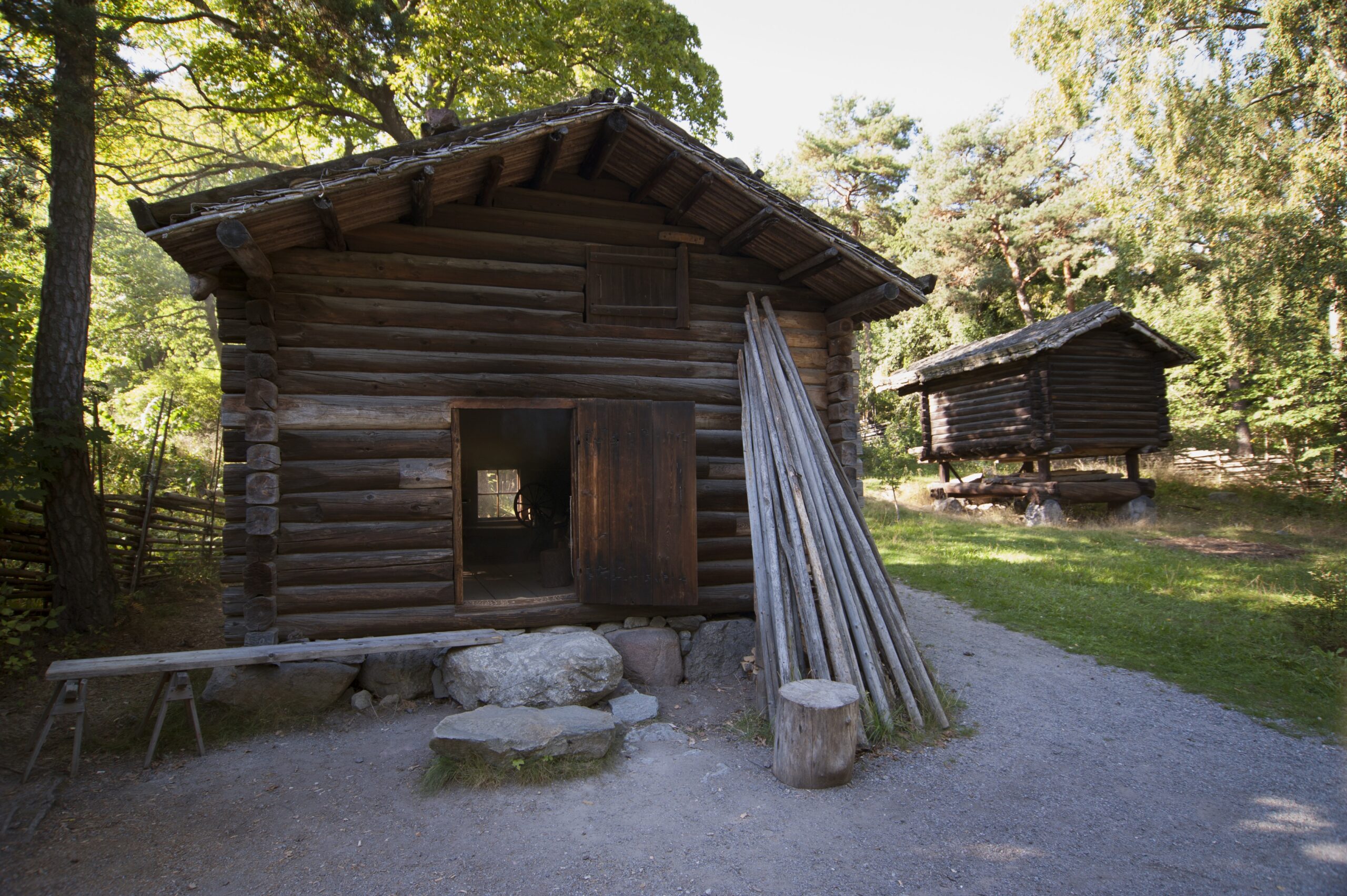
  • MA_2013_06310

  • Did you know..?

    After 1809, Finland became an autonomous Grand Duchy under the Russian tsar. This brought more than 600 years of shared political history between Sweden and Finland to an end.

    Some Forest Finns in Sweden lived in relative isolation and kept their language and culture for a long time. In the 1900s, more Finnish people came to Sweden, both during the Second World War and as labour migrants in the 1970s.

    Today, Sweden Finns (sverigefinnar) are one of Sweden’s national minorities.

Inga kalendertillfällen är registrerade just nu.