
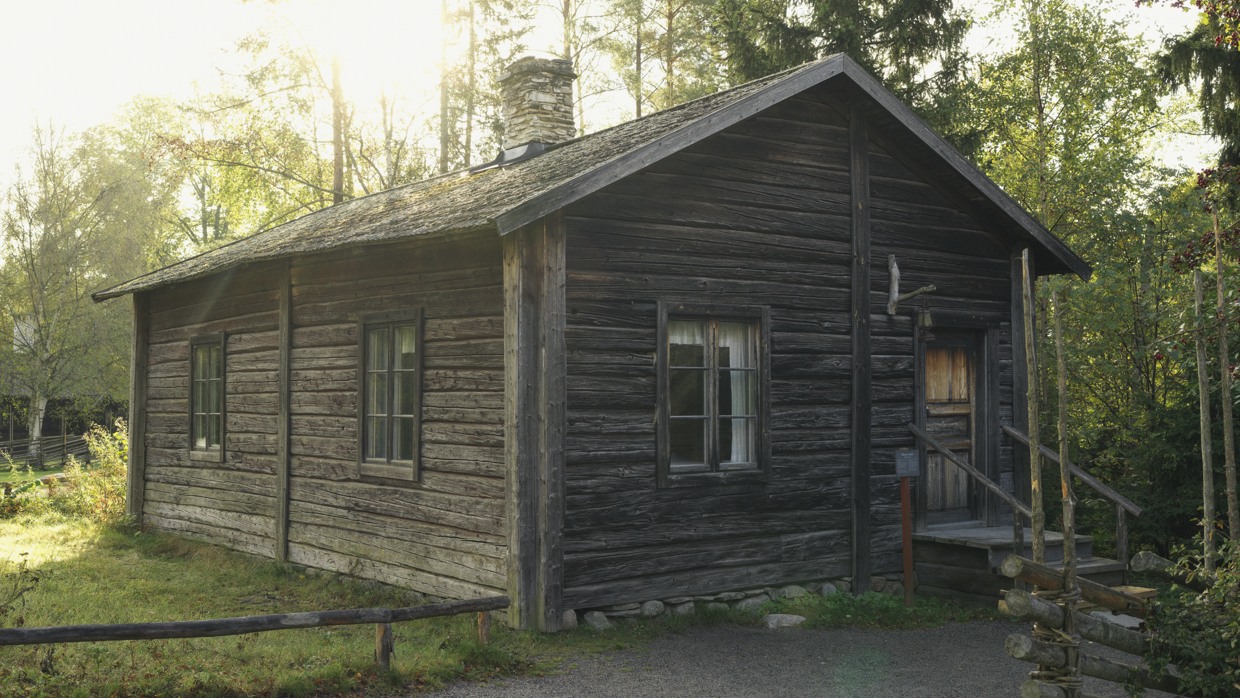
Bakehouse
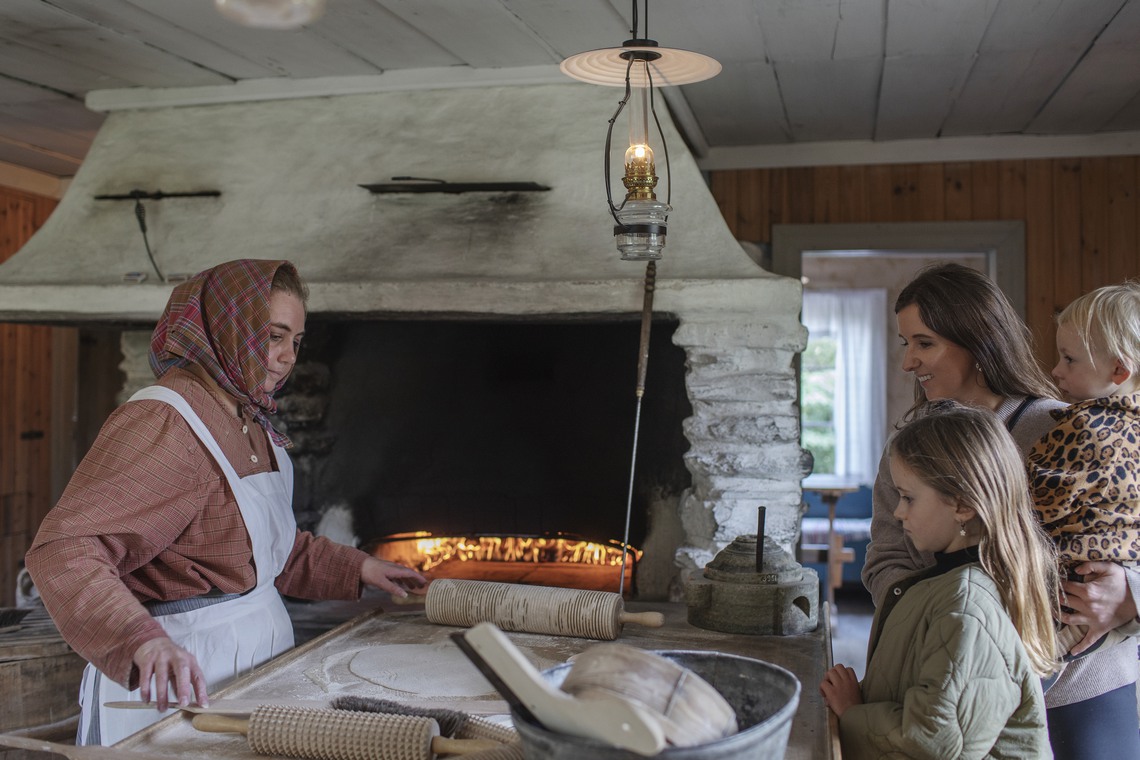
Flatbread (tunnbröd) was an important staple food in Sweden for hundreds of years, and is often associated with the food traditions of northern Sweden. In the Bakehouse at Skansen, visitors can taste the bread baked in the traditional way, using old recipes.
-
-

Experience it at Skansen
At the Bakehouse, visitors can taste bread baked according to old recipes. Courses in traditional bread baking are offered here from time to time. The bread baked here is also used for the historic Christmas table presented at Delsbo Farmstead, made according to old records describing Christmas celebrations in Hälsingland in the 1850s.
-

Accessibility
Access to the Bakehouse is limited by a staircase.
| Day | Time |
|---|---|
| 7 November 2026 | 11:00 - 16:00 |
| 8 November 2026 | 11:00 - 16:00 |
| 9 November 2026 | 11:00 - 15:00 |
| 10 November 2026 | 11:00 - 15:00 |
| 11 November 2026 | 11:00 - 15:00 |
| 12 November 2026 | 11:00 - 15:00 |
| 13 November 2026 | 11:00 - 15:00 |
| 14 November 2026 | 11:00 - 16:00 |
| 15 November 2026 | 11:00 - 16:00 |
| 16 November 2026 | 11:00 - 15:00 |
| 17 November 2026 | 11:00 - 15:00 |
| 18 November 2026 | 11:00 - 15:00 |
| 19 November 2026 | 11:00 - 15:00 |
| 20 November 2026 | 11:00 - 15:00 |
| 21 November 2026 | 11:00 - 16:00 |
| 22 November 2026 | 11:00 - 16:00 |