
Conservation at Skansen Zoo
The role of zoos as active conservation organisations is becoming increasingly important as biodiversity continues to decline. Several of the animals at Skansen are, or have been, part of different conservation initiatives. When you visit Skansen, you directly support this work.
-
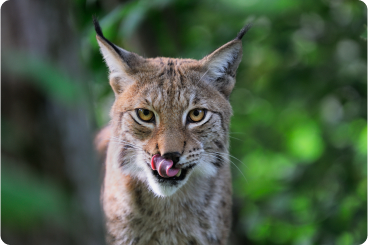
EAZA Ex situ Programmes for threatened species
Skansen participates in EAZA’s international conservation programmes (EEP) for threatened species. At Skansen, species included in these programmes include the wolverine, Eurasian otter, European bison, brown bear, Eurasian lynx, grey seal, harbour seal, European pond turtle and forest reindeer.
-
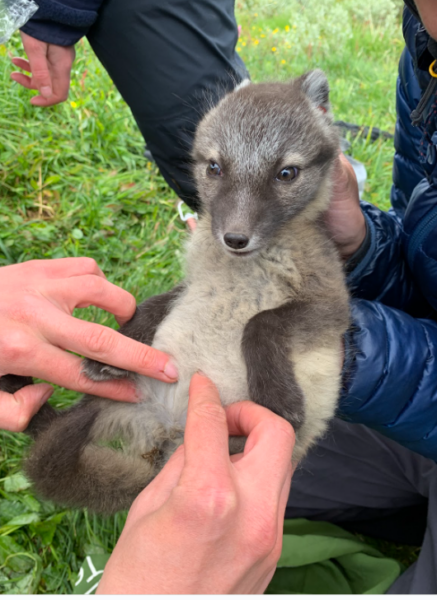
Arctic fox (Swedish Arctic Fox Project)
The protected Arctic fox is one of Sweden’s most threatened mammals. Skansen takes part in the Swedish Arctic Fox Project through financial support and practical fieldwork, including tagging, weighing and mapping dens.
-
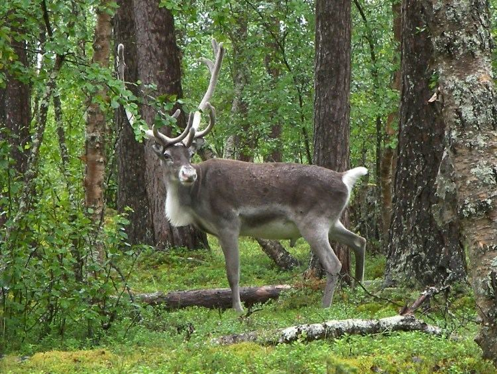
Forest reindeer in international conservation efforts
Skansen is welcoming the critically endangered forest reindeer, a subspecies that was once widespread in Europe’s forests. Through international cooperation, Skansen contributes to building a viable reserve population and increasing knowledge about the species’ needs.
-
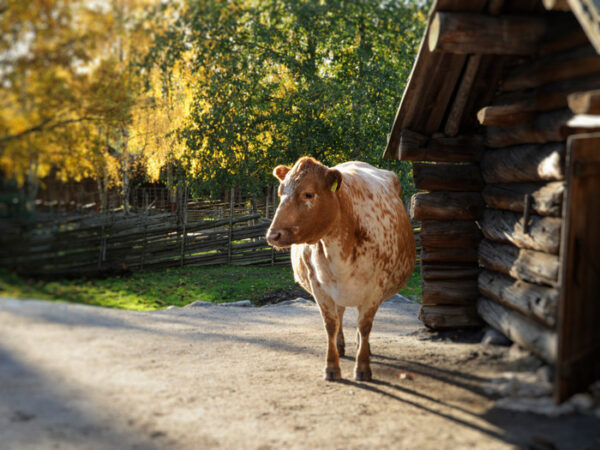
Swedish native livestock breeds in conservation gene banks
Skansen is affiliated with gene banks for all Swedish native livestock breeds kept in the zoo. This work preserves unique genetic diversity and cultural heritage, and contributes to long-term sustainable animal husbandry and biodiversity.
-
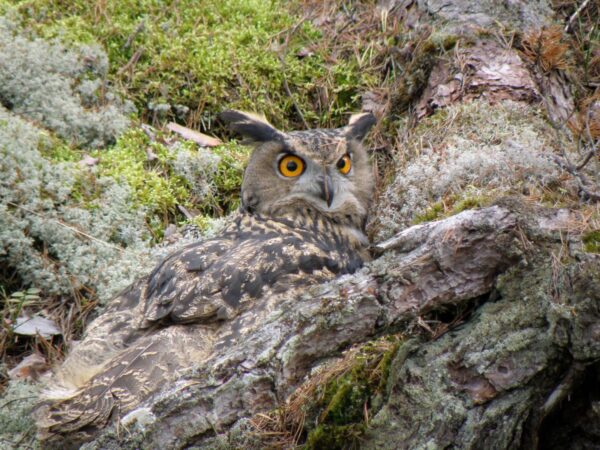
Eurasian eagle-owl in conservation programmes
In collaboration with the Archipelago Foundation and the Swedish Museum of Natural History, Skansen has previously contributed to the release of Eurasian eagle-owls to strengthen the wild population in the Stockholm archipelago.
-
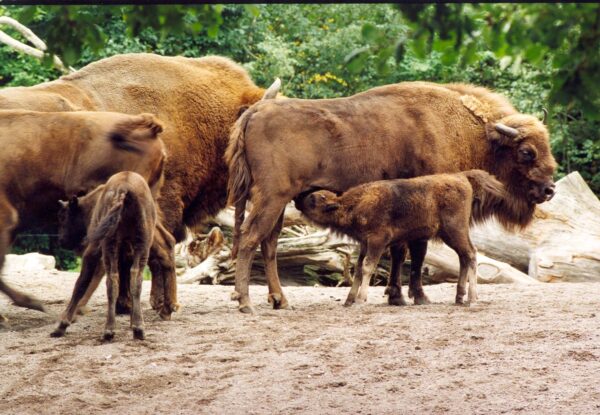
European bison in international reintroduction projects
The European bison became extinct in the wild in the 1920s but was saved thanks to animals in zoos, including Skansen. Today, Skansen continues to contribute to international reintroduction projects across Europe.
-
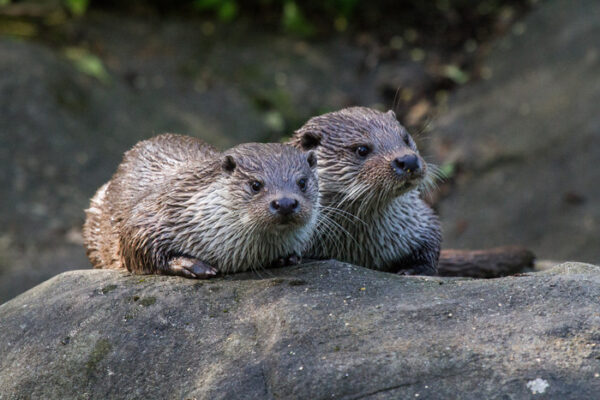
Eurasian otter in reintroduction projects
When the Eurasian otter was declared extinct in the Netherlands, Skansen participated in reintroduction efforts. An individual born at Skansen was released into the wild as part of a larger international conservation project.
-
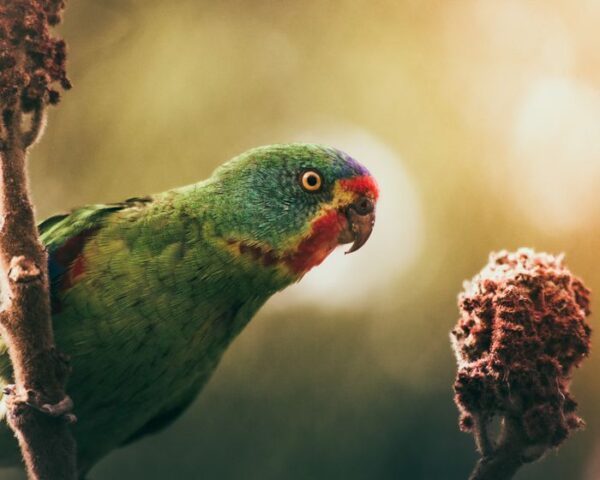
Golden parakeet in reserve populations
The golden parakeet is at risk of disappearing entirely from the wild due to habitat destruction. Skansen contributes to international reserve populations by providing offspring to other zoos.
-
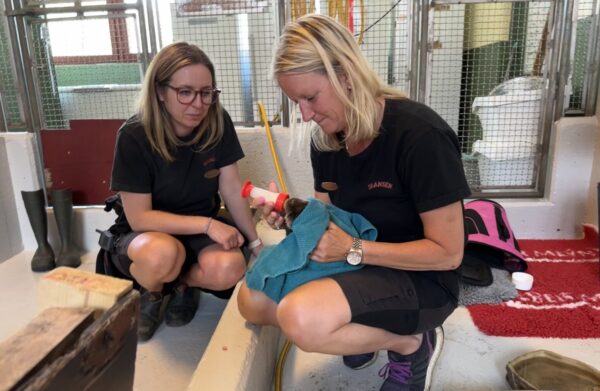
Rehabilitation and release
Skansen also carries out wildlife rehabilitation of red-listed species, with a particular focus on orphaned otter cubs. The aim is, where possible, to return individuals to the wild or contribute to reintroduction projects.
-
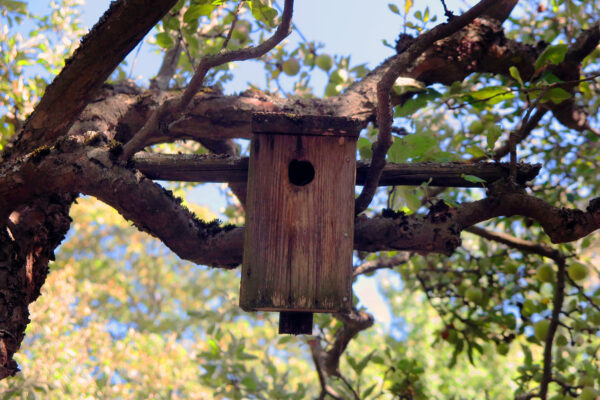
There are many ways to make a difference, such as putting up bird nest boxes, building insect hotels, choosing organic products, planting insect-friendly plants and reporting invasive species.
-
Collaboration – a prerequisite for successful conservation (Skansen’s memberships)
IUCN - The International Union for Conservation of Nature:
IUCN brings together scientists, authorities and organisations from around the world and is responsible, among other things, for the global Red List of Threatened Species. This work contributes to international goals for sustainable development and biodiversity conservation.
SDF – Swedish Association of Zoos and Aquariums:
SDF brings together Sweden’s zoos and works to promote high standards in animal welfare, species conservation, education and research. The association also serves as a link between Swedish zoos and international cooperation.
EAZA – European Association of Zoos and Aquaria:
EAZA coordinates more than 400 European zoos and aquariums and runs extensive conservation programmes. Membership is limited to institutions that meet high standards in animal welfare, conservation and professional competence.
WAZA - World Association of Zoos and Aquariums:
WAZA is the global alliance of zoos and aquariums and works to strengthen the role of zoos in species conservation, research and education worldwide.