We use cookies to improve, measure and analyze the use of the website as well as for visitor statistics and marketing.

Swedish Ardennes horse

The Swedish Ardennes is a powerful native draft horse breed that has played a key role in Sweden’s agricultural history for more than a century.

  • A strong working horse

    The Ardennes horse originates from the Ardennes region, spanning parts of Belgium, France, and Luxembourg. Over centuries, the breed has been adapted to different climates and work demands. The first Ardennes horses arrived in Sweden in the 1870s and quickly became indispensable in both farming and forestry.


  • Facts - Swedish Ardennes horse
    Scientific name:

    Equus caballus

    Order:

    Perissodactyla (odd-toed ungulates)

    Family:

    Equidae (horse family)

    Weight:

    700–900 kg

    Height at withers:

    152–165 cm

    Sexual maturity:

    2–3 years

    Gestation:

    11 months

    Offspring:

    1 foal

    Lifespan:

    20–25 years

    Diet:

    Grass, hay and other plants

  • Appearance and temperament

    This is a compact and muscular horse, with a height at the withers ranging from 152 to 165 cm. Its broad, strong body, sturdy legs, and solid back make it especially well suited for heavy tasks. Despite its strength, the Ardennes is known for its calm, gentle, and affectionate nature – a reliable partner across generations.

    Colours

    Swedish Ardennes horses come in a variety of colours, including bay, chestnut, roan, light roan, black, dark bay, silver bay, and silver black.

    Significance in Sweden

    By the 1920s, the Ardennes was the dominant horse breed in Sweden and was widely used across the country to pull ploughs, logs, and heavy loads. Before the era of tractors and machines, the Ardennes horse played a crucial role in the development of Swedish society. Today, it remains a symbol of strength, endurance, and Sweden’s rural heritage.

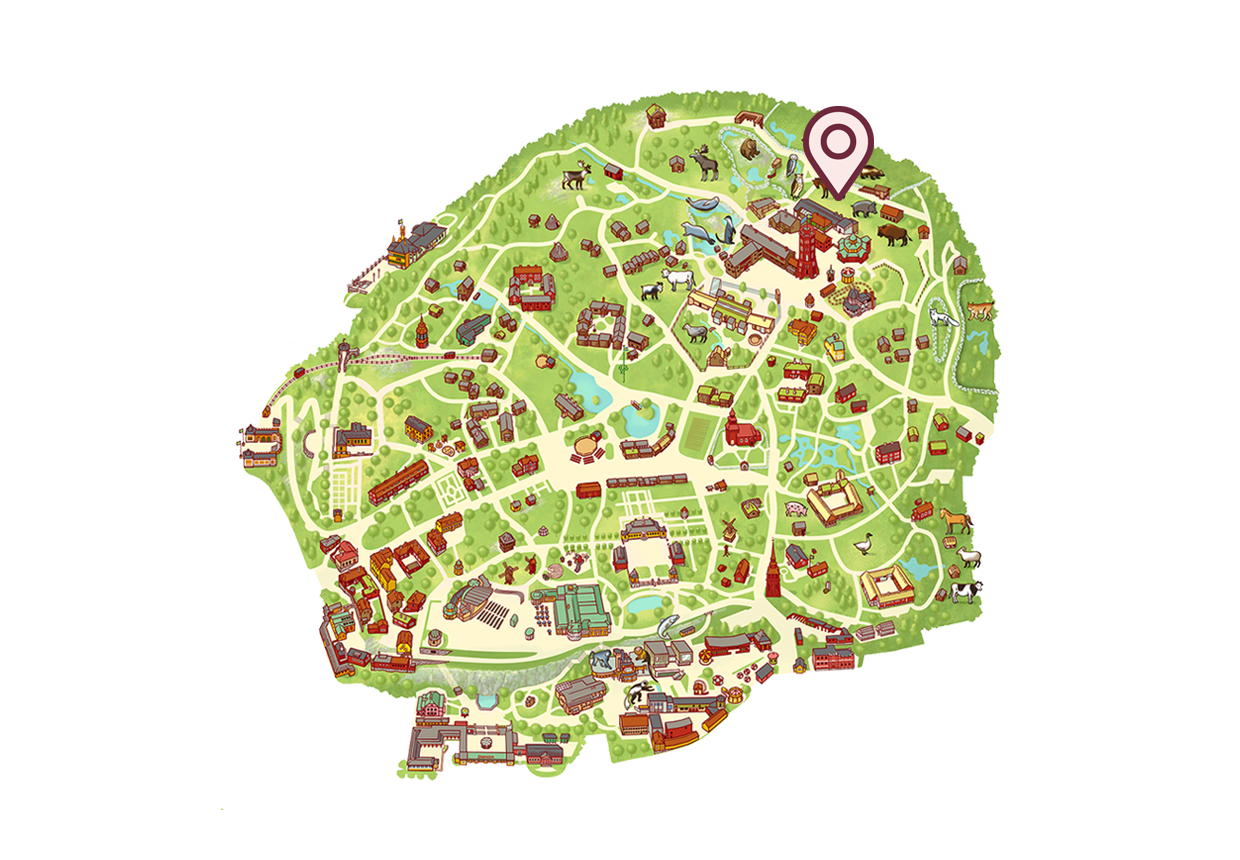
Find the Ardennes horse here