
Animal welfare at Skansen
Animal welfare is central to all animal care at Skansen. By taking into account each species’ biology, natural behaviors and individual needs, conditions are created that allow animals to thrive and express natural behaviors.
-
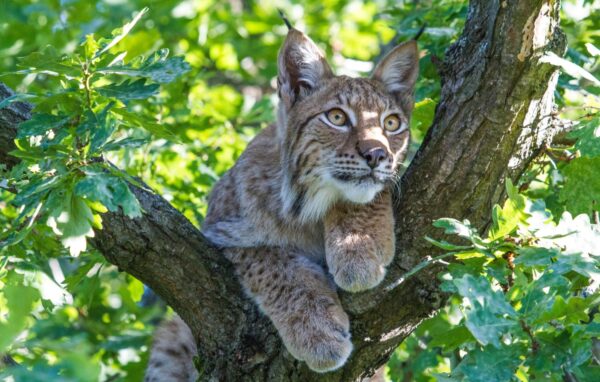
Environments to each animal
All animals at Skansen live in environments adapted to their needs and designed to resemble their natural habitats. The facilities meet or exceed all legal requirements and provide protection, safety and the opportunity for animals to retreat from visitors when needed.
-
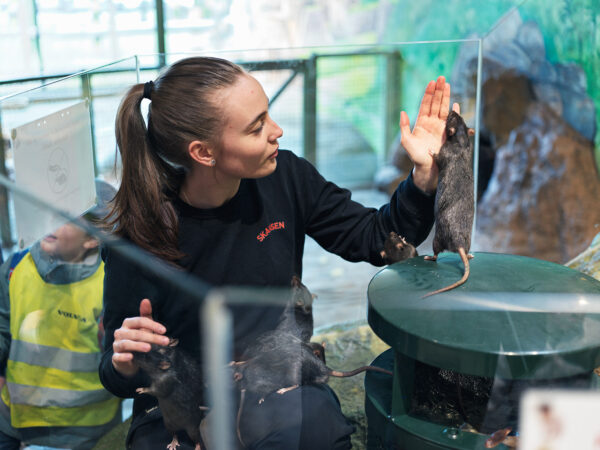
Professional animal care
The animals at Skansen are cared for by trained and experienced staff. A zoologist and a veterinarian work continuously together with animal care teams to maintain high standards of animal welfare.
-
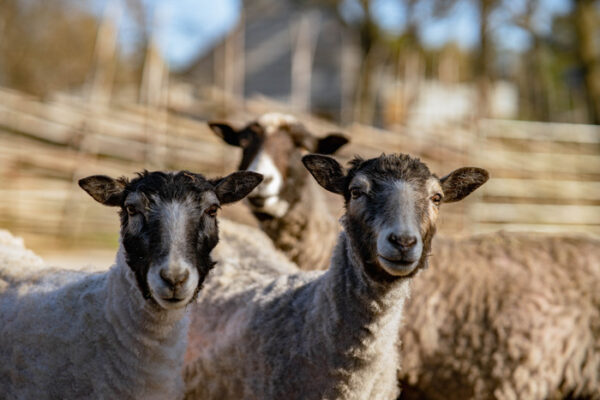
Limited visitor interaction
Visitor interaction with animals is limited. Only in the supervised contact enclosure at Lill-Skansen are visitors allowed to touch animals. This reduces stress for the animals and lowers the risk of disease transmission.
-
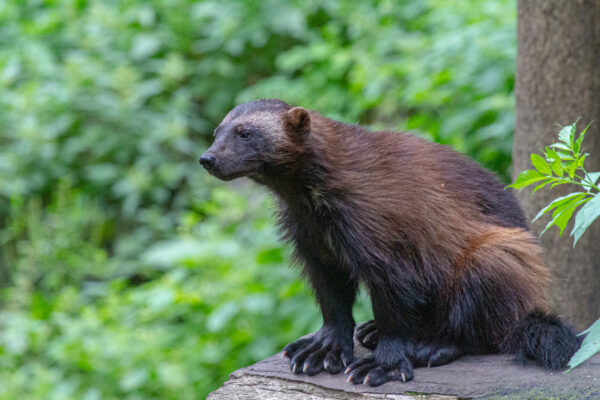
Enrichment for stimulation
Enrichment is an integral part of daily animal care. Activities based on species-specific natural behaviors—such as scents, sounds or new objects—provide mental stimulation and encourage natural activity.
-
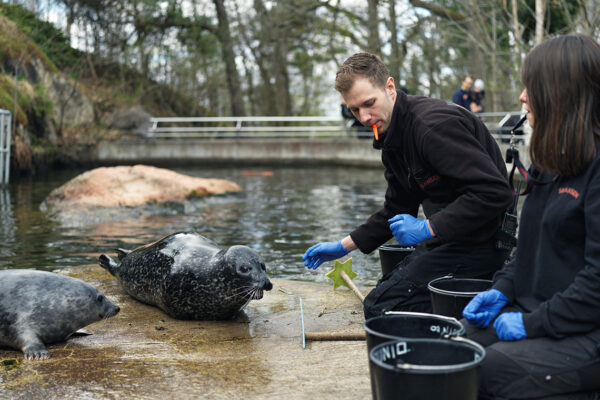
Training for animal well-being
Training is used to support animal care, reduce stress during veterinary procedures and provide mental stimulation. Examples include seals coming ashore for examinations, bison stepping onto scales, or owls voluntarily entering transport boxes.
-
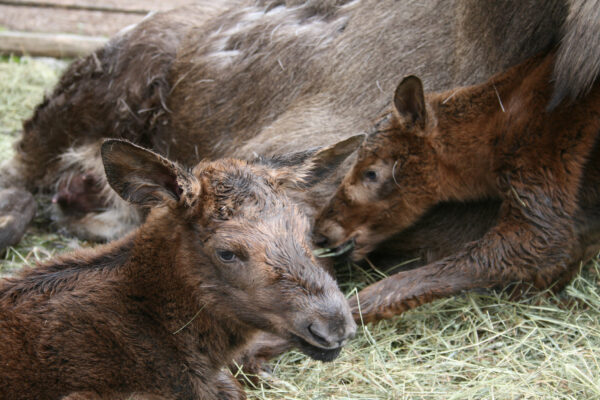
Breeding and offspring
For many species, reproduction is a natural and important behavior. When appropriate, animals at Skansen live in social groups or pairs where breeding and raising offspring support natural behavior and well-being.