
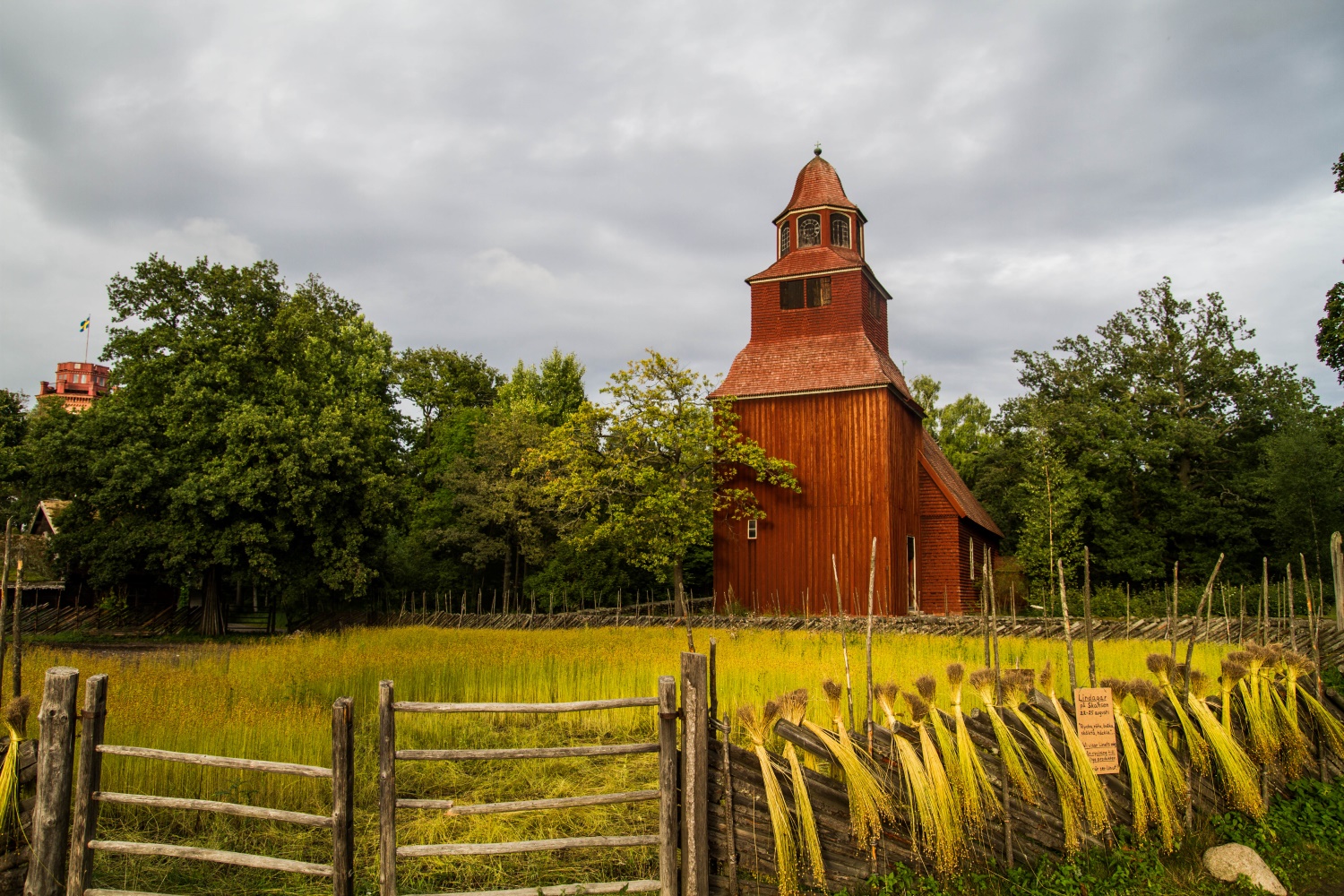
Seglora Church
In the 18th century, all Swedes had to attend church on Sundays. The congregation heard everything from sermons to news readings, as well as brawling. Step inside the magnificent Seglora Church dating from the 18th century meet the verger and find out about the history of religion in Sweden.
-

Get up close at Skansen!
At Seglora Church you can experience a wooden church from the 18th century and find out more about religion in Sweden. Concerts are also held here several times a year.
-
Do you want to get married at Seglora Church?
For over 100 years, couples have been married at Seglora Church. If you want to get married in a historic church in the heart of Stockholm, contact us and we will help you to create an unforgettable day. Read more about church weddings here


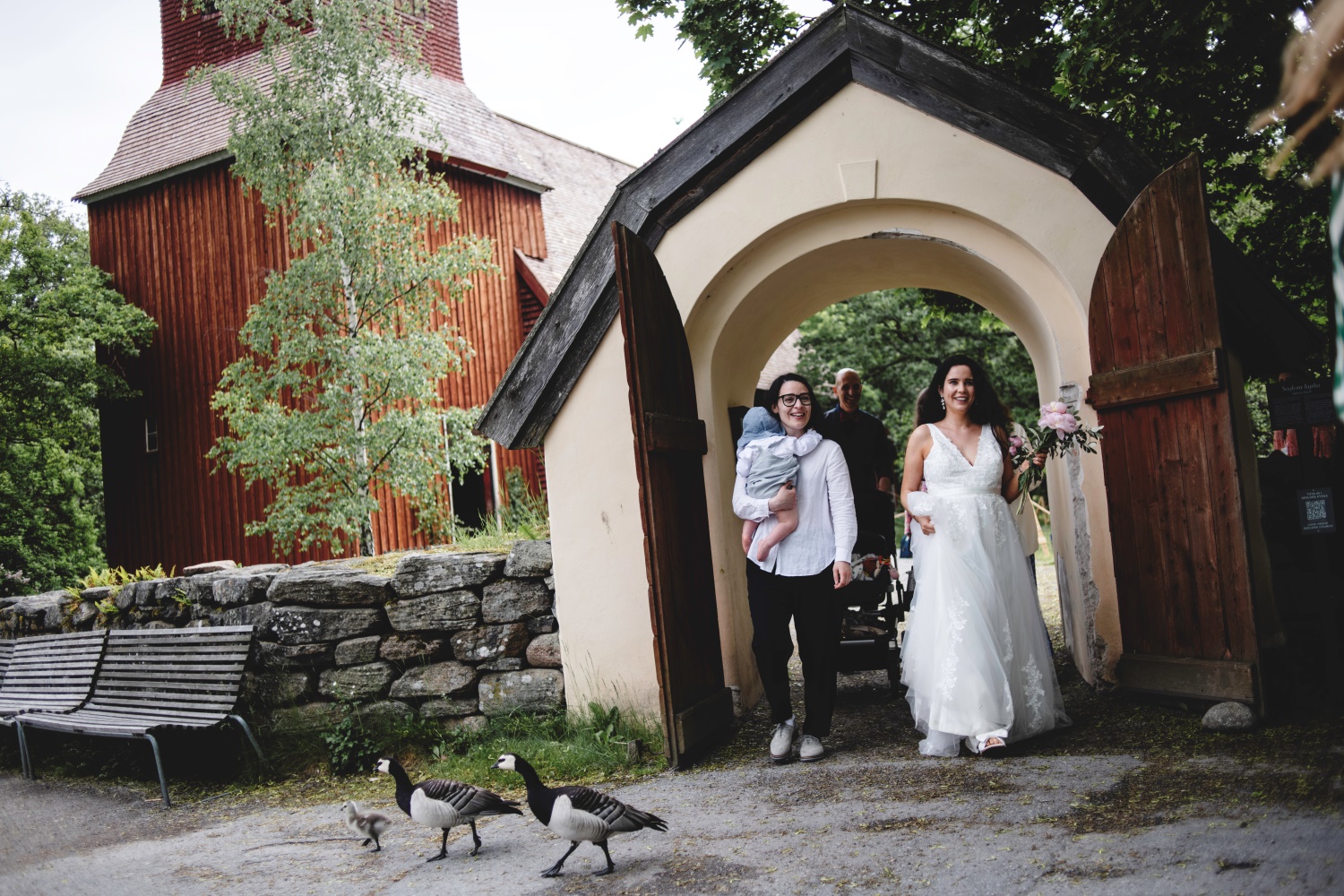
Vigsel i Seglora kyrka. Foto: Sara Kollander
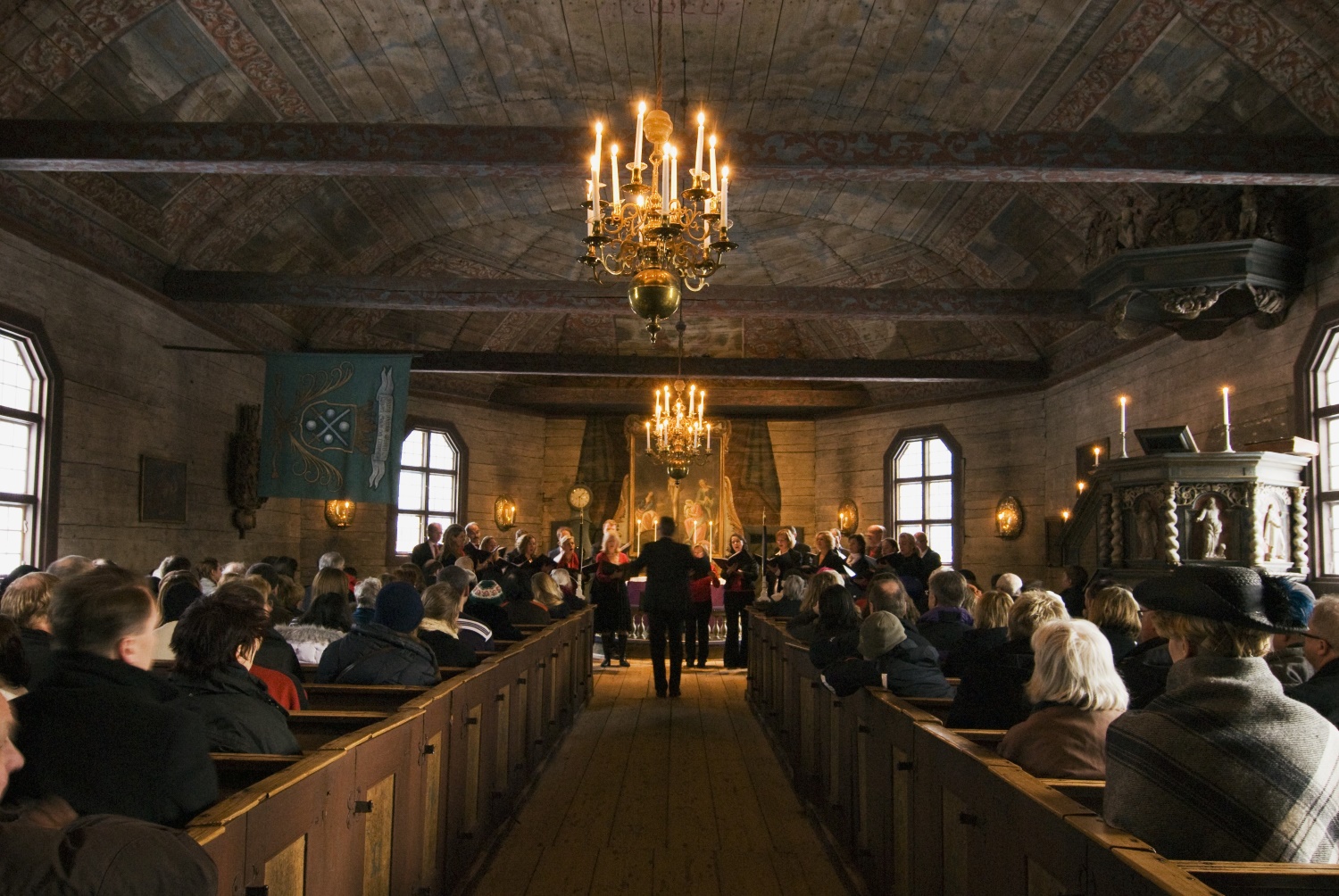
Körsång i Seglora kyrka. Foto: Marie Andersson
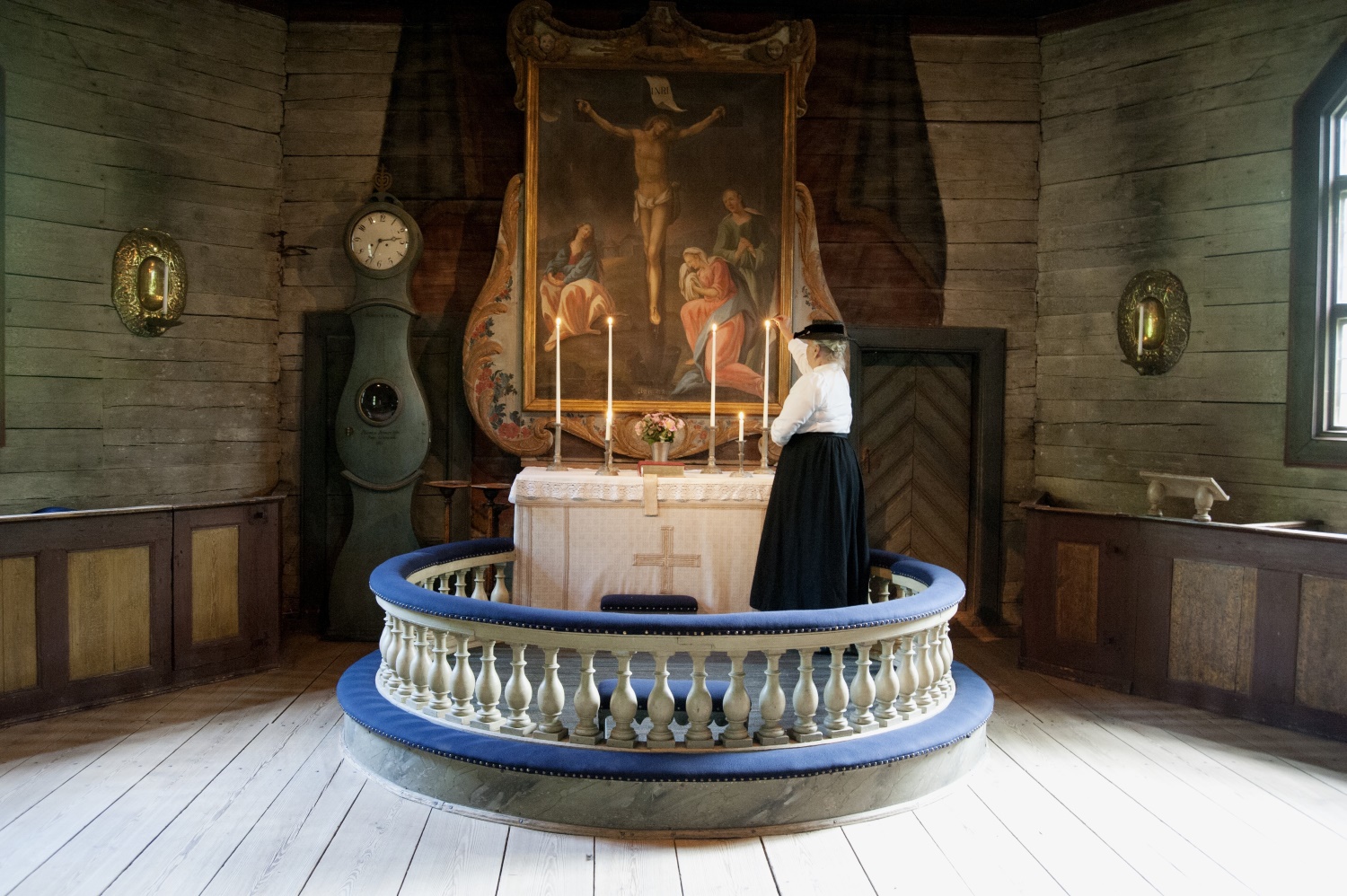
Altarljusen tänds av kyrkvärden i Seglora kyrka. Foto: Marie Andersson
| Day | Time |
|---|---|
| 2 April 2026 | 10.00-15.00 |
| 3 April 2026 | 10.00-15.00 |
| 4 April 2026 | 10.00-16.00 |
| 5 April 2026 | 10.00-16.00 |
| 6 April 2026 | 10.00-15.00 |
| 7 April 2026 | 10.00-15.00 |
| 8 April 2026 | 10.00-15.00 |
| 9 April 2026 | 10.00-15.00 |
| 10 April 2026 | 10.00-15.00 |
| 11 April 2026 | 10.00-16.00 |
| 12 April 2026 | 10.00-16.00 |
| 13 April 2026 | 10.00-15.00 |
| 14 April 2026 | 10.00-15.00 |
| 15 April 2026 | 10.00-15.00 |
| 16 April 2026 | 10.00-15.00 |
| 17 April 2026 | 10.00-15.00 |
| 18 April 2026 | 10.00-16.00 |
| 19 April 2026 | 10.00-16.00 |
| 20 April 2026 | 10.00-15.00 |
| 21 April 2026 | 10.00-15.00 |
| 22 April 2026 | 10.00-15.00 |
| 23 April 2026 | 10.00-15.00 |
| 24 April 2026 | 10.00-15.00 |
| 25 April 2026 | 10.00-16.00 |
| 26 April 2026 | 10.00-16.00 |
| 27 April 2026 | 10.00-15.00 |
| 28 April 2026 | 10.00-15.00 |
| 29 April 2026 | 10.00-15.00 |
| 30 April 2026 | 10.00-15.00 |