
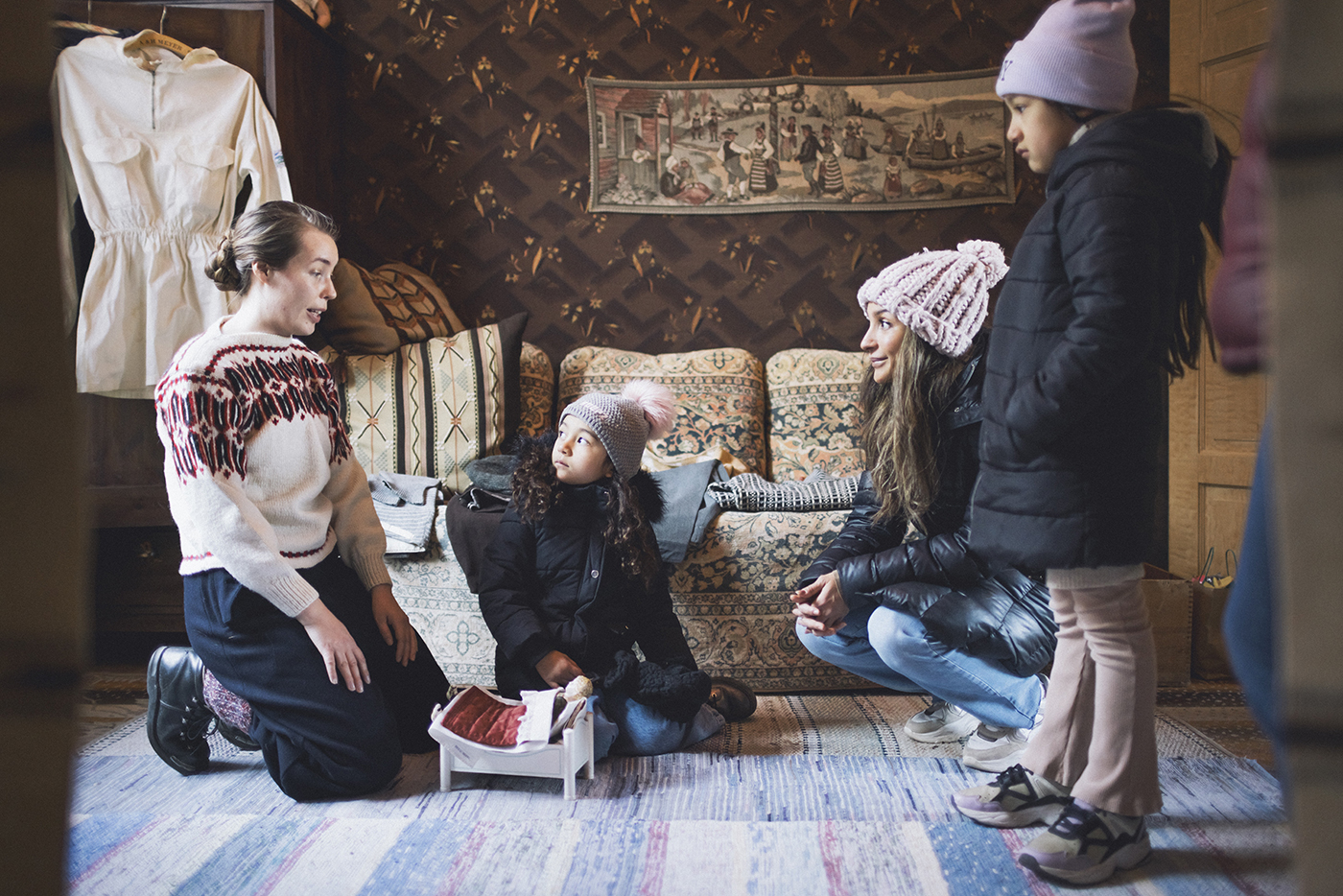
The Ironmonger’s home
The Ironmonger’s home shows how a middle-class family lived in the city in the 1930s. Step into a modern apartment, complete with electricity, central heating and an indoor toilet.
-

Get up close at Skansen!
Welcome to a modern home from the 1930s. Meet people in period dress who can tell you about ideas from the era, and explore a home and its interiors that will spark both nostalgia and familiarity.
-
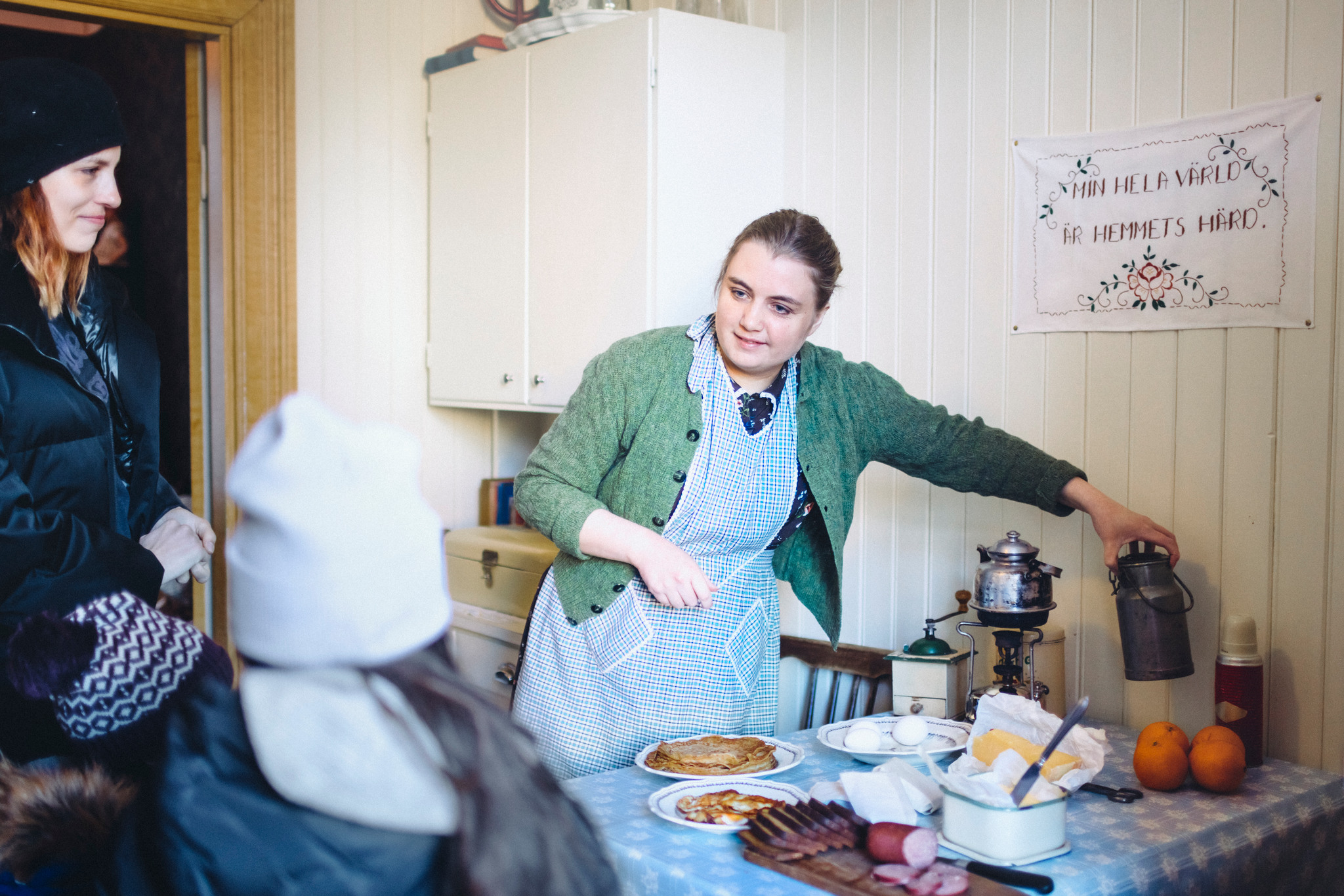
Housewife prepares for excursion in The Ironmonger’s home's functional kitchen.
-
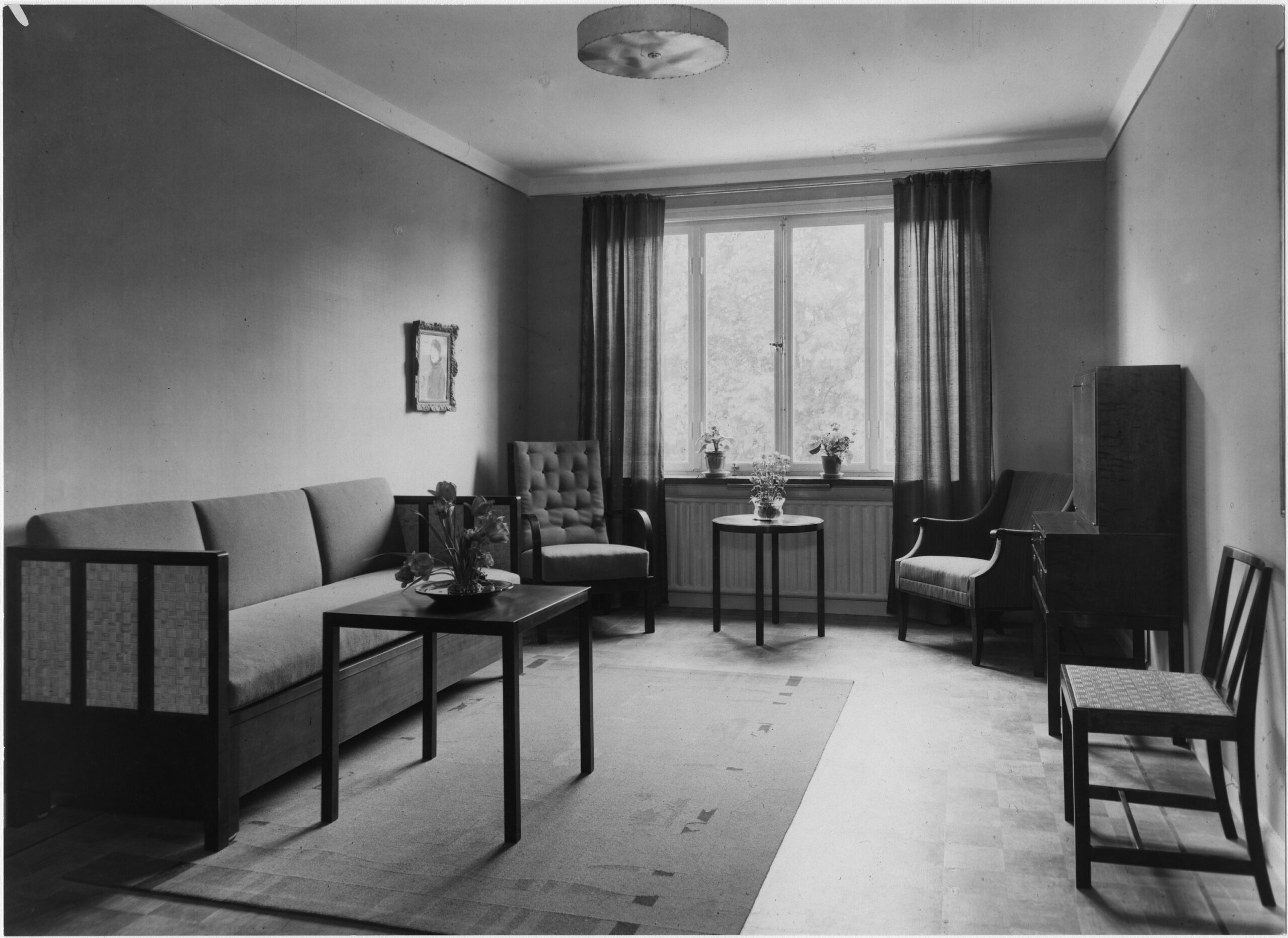
The Stockholm exhibition 1930. HSB:s exhibition: apartment 5,living room. Architect Gunnar Asplund and Sven Wallander. Photo: ArkDes
-

Accessibility
The Ironmonger’s home is accessible, with an external wheelchair ramp. Inside the building, there are low thresholds and wide doorways.
| Day | Time |
|---|---|
| 7 March 2026 | 10.00-16.00 |
| 8 March 2026 | 10.00-16.00 |
| 14 March 2026 | 10.00-16.00 |
| 15 March 2026 | 10.00-16.00 |
| 21 March 2026 | 10.00-16.00 |
| 22 March 2026 | 10.00-16.00 |
| 28 March 2026 | 10.00-16.00 |
| 29 March 2026 | 10.00-16.00 |
| 2 April 2026 | 10.00-16.00 |
| 3 April 2026 | 10.00-16.00 |
| 4 April 2026 | 10.00-16.00 |
| 5 April 2026 | 10.00-16.00 |
| 6 April 2026 | 10.00-16.00 |
| 7 April 2026 | 10.00-16.00 |
| 8 April 2026 | 10.00-16.00 |
| 9 April 2026 | 10.00-16.00 |
| 10 April 2026 | 10.00-16.00 |
| 11 April 2026 | 10.00-16.00 |
| 12 April 2026 | 10.00-16.00 |
| 13 April 2026 | 10.00-15.00 |
| 14 April 2026 | 10.00-15.00 |
| 15 April 2026 | 10.00-15.00 |
| 16 April 2026 | 10.00-15.00 |
| 17 April 2026 | 10.00-15.00 |
| 18 April 2026 | 10.00-16.00 |
| 19 April 2026 | 10.00-16.00 |
| 20 April 2026 | 10.00-15.00 |
| 21 April 2026 | 10.00-15.00 |
| 22 April 2026 | 10.00-15.00 |
| 23 April 2026 | 10.00-15.00 |
| 24 April 2026 | 10.00-15.00 |
| 25 April 2026 | 10.00-16.00 |
| 26 April 2026 | 10.00-16.00 |
| 27 April 2026 | 10.00-15.00 |
| 28 April 2026 | 10.00-15.00 |
| 29 April 2026 | 10.00-15.00 |
| 30 April 2026 | 10.00-15.00 |
| 1 May 2026 | 10.00-17.00 |
| 2 May 2026 | 10.00-17.00 |
| 3 May 2026 | 10.00-17.00 |
| 4 May 2026 | 10.00-17.00 |
| 5 May 2026 | 10.00-17.00 |
| 6 May 2026 | 10.00-17.00 |
| 7 May 2026 | 10.00-17.00 |
| 8 May 2026 | 10.00-17.00 |
| 9 May 2026 | 10.00-17.00 |
| 10 May 2026 | 10.00-17.00 |
| 11 May 2026 | 10.00-17.00 |
| 12 May 2026 | 10.00-17.00 |
| 13 May 2026 | 10.00-17.00 |
| 14 May 2026 | 10.00-17.00 |
| 15 May 2026 | 10.00-17.00 |
| 16 May 2026 | 10.00-17.00 |
| 17 May 2026 | 10.00-17.00 |
| 18 May 2026 | 10.00-17.00 |
| 19 May 2026 | 10.00-17.00 |
| 20 May 2026 | 10.00-17.00 |
| 21 May 2026 | 10.00-17.00 |
| 22 May 2026 | 10.00-17.00 |
| 23 May 2026 | 10.00-17.00 |
| 24 May 2026 | 10.00-17.00 |
| 25 May 2026 | 10.00-17.00 |
| 26 May 2026 | 10.00-17.00 |
| 27 May 2026 | 10.00-17.00 |
| 28 May 2026 | 10.00-17.00 |
| 29 May 2026 | 10.00-17.00 |
| 30 May 2026 | 10.00-17.00 |
| 31 May 2026 | 10.00-17.00 |
| 1 June 2026 | 10.00-17.00 |
| 2 June 2026 | 10.00-17.00 |
| 3 June 2026 | 10.00-17.00 |
| 4 June 2026 | 10.00-17.00 |
| 5 June 2026 | 10.00-17.00 |
| 6 June 2026 | 10.00-17.00 |
| 7 June 2026 | 10.00-17.00 |
| 8 June 2026 | 10.00-17.00 |
| 9 June 2026 | 10.00-17.00 |
| 10 June 2026 | 10.00-17.00 |
| 11 June 2026 | 10.00-17.00 |
| 12 June 2026 | 10.00-17.00 |
| 13 June 2026 | 10.00-17.00 |
| 14 June 2026 | 10.00-17.00 |
| 15 June 2026 | 10.00-17.00 |
| 16 June 2026 | 10.00-17.00 |
| 17 June 2026 | 10.00-17.00 |
| 18 June 2026 | 10.00-17.00 |
| 19 June 2026 | 10.00-17.00 |
| 20 June 2026 | 10.00-17.00 |
| 21 June 2026 | 10.00-17.00 |
| 22 June 2026 | 10.00-17.00 |
| 23 June 2026 | 10.00-17.00 |
| 24 June 2026 | 10.00-17.00 |
| 25 June 2026 | 10.00-17.00 |
| 26 June 2026 | 10.00-17.00 |
| 27 June 2026 | 10.00-17.00 |
| 28 June 2026 | 10.00-17.00 |
| 29 June 2026 | 10.00-17.00 |
| 30 June 2026 | 10.00-17.00 |
| 1 July 2026 | 10.00-17.00 |
| 2 July 2026 | 10.00-17.00 |
| 3 July 2026 | 10.00-17.00 |
| 4 July 2026 | 10.00-17.00 |
| 5 July 2026 | 10.00-17.00 |
| 6 July 2026 | 10.00-17.00 |
| 7 July 2026 | 10.00-17.00 |
| 8 July 2026 | 10.00-17.00 |
| 9 July 2026 | 10.00-17.00 |
| 10 July 2026 | 10.00-17.00 |
| 11 July 2026 | 10.00-17.00 |
| 12 July 2026 | 10.00-17.00 |
| 13 July 2026 | 10.00-17.00 |
| 14 July 2026 | 10.00-17.00 |
| 15 July 2026 | 10.00-17.00 |
| 16 July 2026 | 10.00-17.00 |
| 17 July 2026 | 10.00-17.00 |
| 18 July 2026 | 10.00-17.00 |
| 19 July 2026 | 10.00-17.00 |
| 20 July 2026 | 10.00-17.00 |
| 21 July 2026 | 10.00-17.00 |
| 22 July 2026 | 10.00-17.00 |
| 23 July 2026 | 10.00-17.00 |
| 24 July 2026 | 10.00-17.00 |
| 25 July 2026 | 10.00-17.00 |
| 26 July 2026 | 10.00-17.00 |
| 27 July 2026 | 10.00-17.00 |
| 28 July 2026 | 10.00-17.00 |
| 29 July 2026 | 10.00-17.00 |
| 30 July 2026 | 10.00-17.00 |
| 31 July 2026 | 10.00-17.00 |
| 1 August 2026 | 10.00-17.00 |
| 2 August 2026 | 10.00-17.00 |
| 3 August 2026 | 10.00-17.00 |
| 4 August 2026 | 10.00-17.00 |
| 5 August 2026 | 10.00-17.00 |
| 6 August 2026 | 10.00-17.00 |
| 7 August 2026 | 10.00-17.00 |
| 8 August 2026 | 10.00-17.00 |
| 9 August 2026 | 10.00-17.00 |
| 10 August 2026 | 10.00-17.00 |
| 11 August 2026 | 10.00-17.00 |
| 12 August 2026 | 10.00-17.00 |
| 13 August 2026 | 10.00-17.00 |
| 14 August 2026 | 10.00-17.00 |
| 15 August 2026 | 10.00-17.00 |
| 16 August 2026 | 10.00-17.00 |
| 17 August 2026 | 10.00-17.00 |
| 18 August 2026 | 10.00-17.00 |
| 19 August 2026 | 10.00-17.00 |
| 20 August 2026 | 10.00-17.00 |
| 21 August 2026 | 10.00-17.00 |
| 22 August 2026 | 10.00-17.00 |
| 23 August 2026 | 10.00-17.00 |
| 24 August 2026 | 10.00-17.00 |
| 25 August 2026 | 10.00-17.00 |
| 26 August 2026 | 10.00-17.00 |
| 27 August 2026 | 10.00-17.00 |
| 28 August 2026 | 10.00-17.00 |
| 29 August 2026 | 10.00-17.00 |
| 30 August 2026 | 10.00-17.00 |
| 31 August 2026 | 10.00-17.00 |
| 1 September 2026 | 10.00-17.00 |
| 2 September 2026 | 10.00-17.00 |
| 3 September 2026 | 10.00-17.00 |
| 4 September 2026 | 10.00-17.00 |
| 5 September 2026 | 10.00-17.00 |
| 6 September 2026 | 10.00-17.00 |
| 7 September 2026 | 10.00-17.00 |
| 8 September 2026 | 10.00-17.00 |
| 9 September 2026 | 10.00-17.00 |
| 10 September 2026 | 10.00-17.00 |
| 11 September 2026 | 10.00-17.00 |
| 12 September 2026 | 10.00-17.00 |
| 13 September 2026 | 10.00-17.00 |
| 14 September 2026 | 10.00-17.00 |
| 15 September 2026 | 10.00-17.00 |
| 16 September 2026 | 10.00-17.00 |
| 17 September 2026 | 10.00-17.00 |
| 18 September 2026 | 10.00-17.00 |
| 19 September 2026 | 10.00-17.00 |
| 20 September 2026 | 10.00-17.00 |
| 21 September 2026 | 10.00-17.00 |
| 22 September 2026 | 10.00-17.00 |
| 23 September 2026 | 10.00-17.00 |
| 24 September 2026 | 10.00-17.00 |
| 25 September 2026 | 10.00-17.00 |
| 26 September 2026 | 10.00-17.00 |
| 27 September 2026 | 10.00-17.00 |
| 28 September 2026 | 10.00-15.00 |
| 29 September 2026 | 10.00-15.00 |
| 30 September 2026 | 10.00-15.00 |
| 1 October 2026 | 10.00-15.00 |
| 2 October 2026 | 10.00-15.00 |
| 3 October 2026 | 10.00-16.00 |
| 4 October 2026 | 10.00-16.00 |
| 5 October 2026 | 10.00-15.00 |
| 6 October 2026 | 10.00-15.00 |
| 7 October 2026 | 10.00-15.00 |
| 8 October 2026 | 10.00-15.00 |
| 9 October 2026 | 10.00-15.00 |
| 10 October 2026 | 10.00-16.00 |
| 11 October 2026 | 10.00-16.00 |
| 12 October 2026 | 10.00-15.00 |
| 13 October 2026 | 10.00-15.00 |
| 14 October 2026 | 10.00-15.00 |
| 15 October 2026 | 10.00-15.00 |
| 16 October 2026 | 10.00-15.00 |
| 17 October 2026 | 10.00-16.00 |
| 18 October 2026 | 10.00-16.00 |
| 19 October 2026 | 10.00-15.00 |
| 20 October 2026 | 10.00-15.00 |
| 21 October 2026 | 10.00-15.00 |
| 22 October 2026 | 10.00-15.00 |
| 23 October 2026 | 10.00-15.00 |
| 27 November 2026 | 10.00-16.00 |
| 28 November 2026 | 10.00-16.00 |
| 29 November 2026 | 10.00-16.00 |
| 30 November 2026 | 11.00-15.00 |
| 1 December 2026 | 11.00-15.00 |
| 2 December 2026 | 11.00-15.00 |
| 3 December 2026 | 11.00-15.00 |
| 4 December 2026 | 10.00-16.00 |
| 5 December 2026 | 10.00-16.00 |
| 6 December 2026 | 10.00-16.00 |
| 7 December 2026 | 11.00-15.00 |
| 8 December 2026 | 11.00-15.00 |
| 9 December 2026 | 11.00-15.00 |
| 10 December 2026 | 11.00-15.00 |
| 11 December 2026 | 10.00-16.00 |
| 12 December 2026 | 10.00-16.00 |
| 13 December 2026 | 10.00-16.00 |
| 14 December 2026 | 11.00-15.00 |
| 15 December 2026 | 11.00-15.00 |
| 16 December 2026 | 11.00-15.00 |
| 17 December 2026 | 11.00-15.00 |
| 18 December 2026 | 10.00-16.00 |
| 19 December 2026 | 10.00-16.00 |
| 20 December 2026 | 10.00-16.00 |
| 21 December 2026 | 10.00-16.00 |
| 22 December 2026 | 10.00-16.00 |
| 23 December 2026 | 10.00-16.00 |
| 24 December 2026 | 10.00-14.00 |
| 25 December 2026 | 10.00-16.00 |
| 26 December 2026 | 10.00-16.00 |
| 27 December 2026 | 10.00-16.00 |
| 28 December 2026 | 10.00-16.00 |
| 29 December 2026 | 10.00-16.00 |
| 30 December 2026 | 10.00-16.00 |
| 31 December 2026 | 10.00-16.00 |
| 1 January 2027 | 10.00-16.00 |
| 2 January 2027 | 10.00-16.00 |
| 3 January 2027 | 10.00-16.00 |
| 4 January 2027 | 10.00-16.00 |
| 5 January 2027 | 10.00-16.00 |
| 6 January 2027 | 10.00-16.00 |