
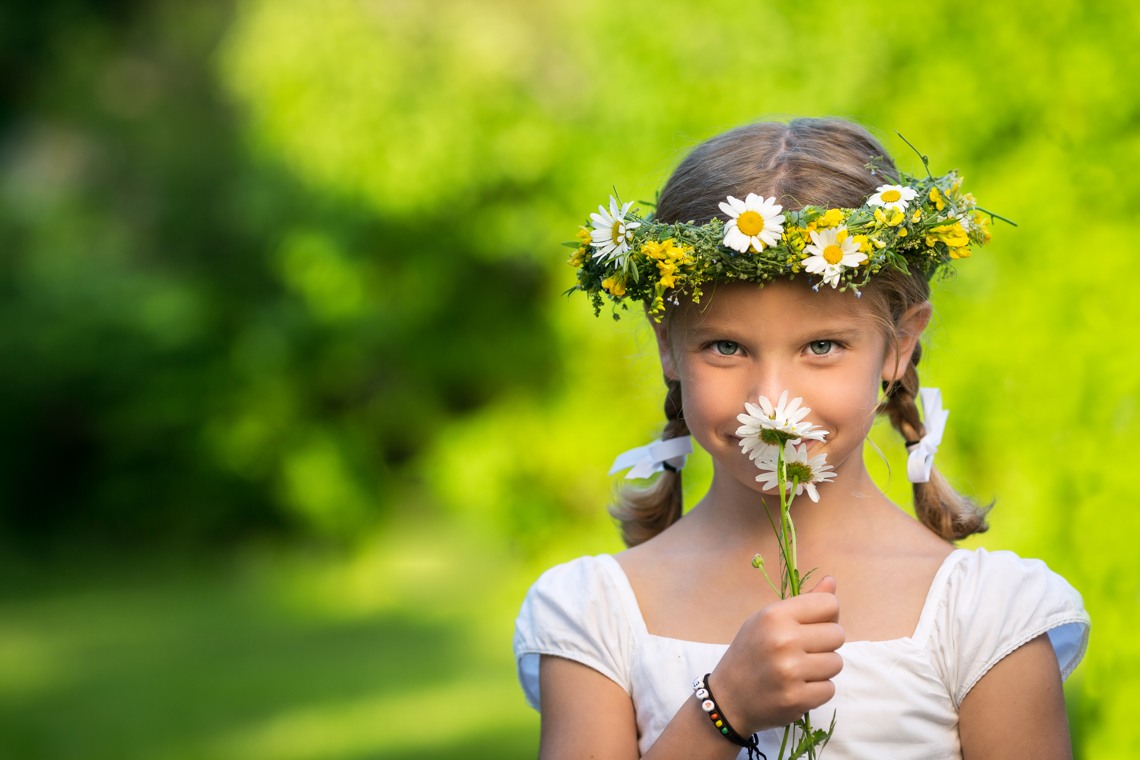
Midsummer at Skansen
Discover Stockholm’s greatest Midsummer celebrations! At Skansen, Midsummer lasts for three days from morning to late night.
-

On this page you will find all the information regarding Midsummer at Skansen 2027 – stay tuned!
Food and beverages
-
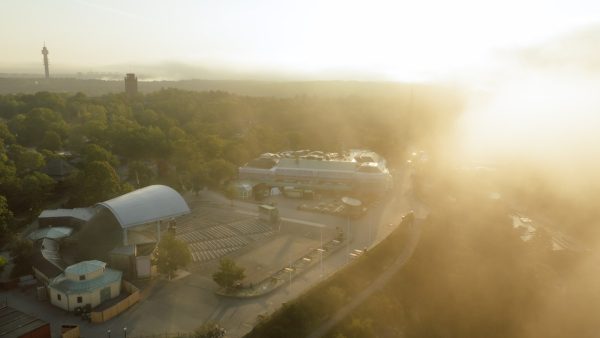 Calle P Deli & Bar is located on Solliden, with views over Stockholm. Here, you can enjoy good food and drinks in a relaxing setting.
 -
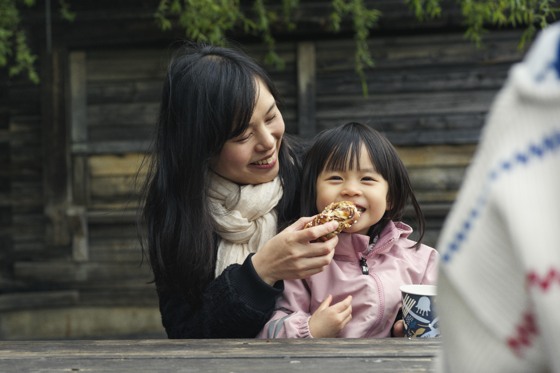 At the Bollnäs square, you can enjoy a varied selection of food and drinks in a welcoming outdoor setting, whether you’re looking for something quick and light or a more substantial meal.
 -
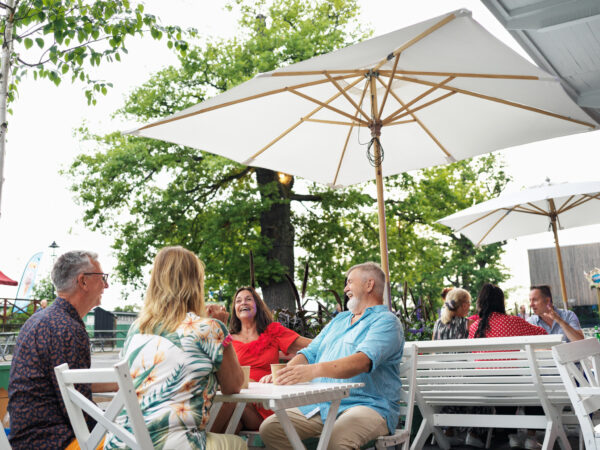 Here you can enjoy coffee and pastries, candy, soft-serve ice cream, and light meals. The Café & Bar is open during both the day and evening, offering food and drinks for every occasion.
 -
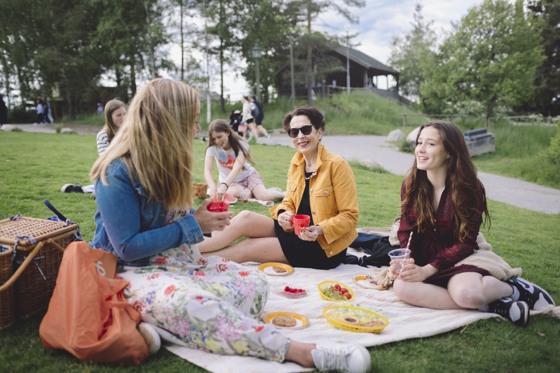
Picnic and BBQ
Skansen offers many beautiful picnic spots, so feel free to bring your own picnic basket and settle down in the greenery.
Skansen’s barbecue grills are available for use as long as there is no public fire ban in effect. Please note that bringing your own barbecue grill is not permitted.

Inga kalendertillfällen är registrerade just nu.