
Research
Zoos offer unique opportunities to learn more about animals and their interaction with the surrounding world. Skansen participates in several research projects and has, over the years, contributed valuable knowledge about different species. Skansen also plays an important role as a collaborative partner and resource for researchers and students.
-
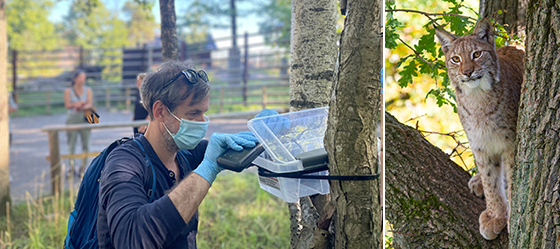
Airborne RNA – new opportunities for conservation
Skansen has contributed to a research project exploring how airborne RNA can be used to map the presence of animals. By collecting and analysing small amounts of genetic material from the air, researchers have been able to identify which species are present in a given area.
-
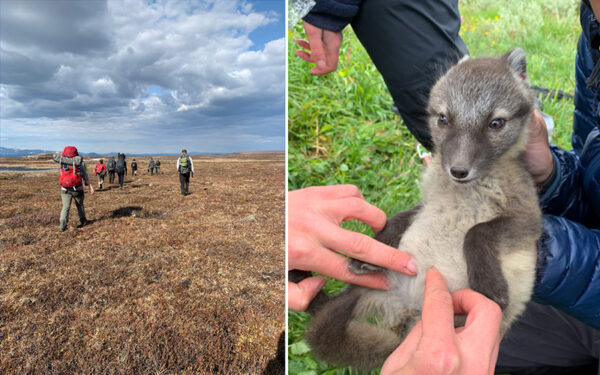
Skansen actively participates in Stockholm University’s Arctic Fox Project, which studies how Arctic foxes survive in relation to access to prey, other predators and disease. Skansen coordinates and takes part in fieldwork that includes tagging and weighing pups and mapping dens.
-
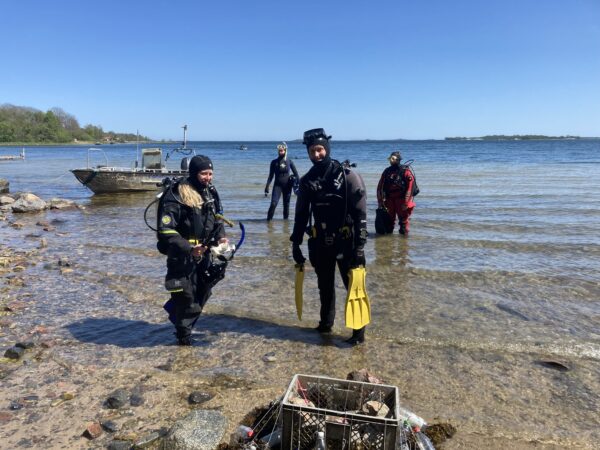
Through WWF’s project Restoring the Baltic Sea, the Baltic Sea Science Center at Skansen has had the opportunity to contribute to this work together with the Archipelago Foundation and Sportfiskarna (the Swedish Anglers’ Association). The aim is to create conditions that support the reproduction of bladderwrack and strengthen the Baltic Sea ecosystem.
-
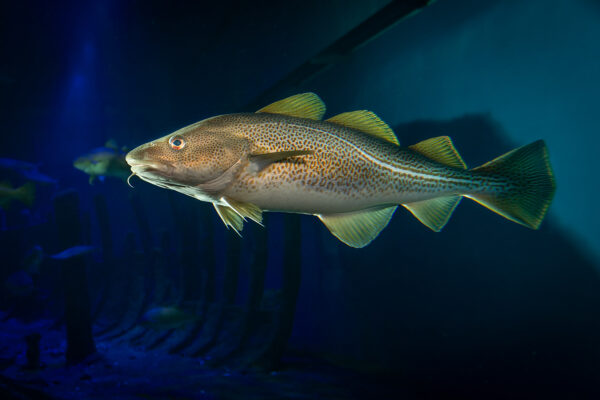
Within the ReCod project on År, Gotland, researchers have reared cod larvae to help them survive the most vulnerable stage of development. The young fish were then tagged and released into the sea. The Baltic Sea Science Center assisted a doctoral student in the project by developing technology that facilitated the studies.
-
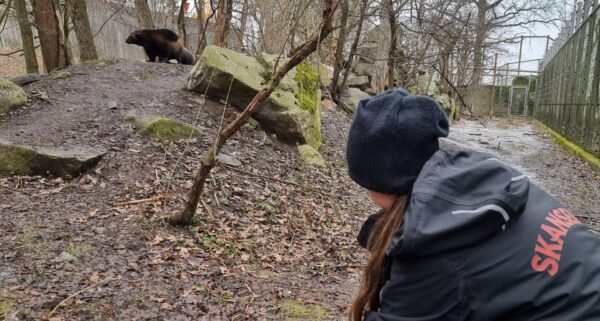
Wolverine droppings reveal reproductive patterns
The wolverine is the world’s largest terrestrial mustelid. This research project aims to develop methods for detecting reproductive status in wild wolverines. Skansen contributes by collecting, identifying and labelling wolverine droppings in a project led by the University of Montana and the Rocky Mountain Research Station in the United States.
-
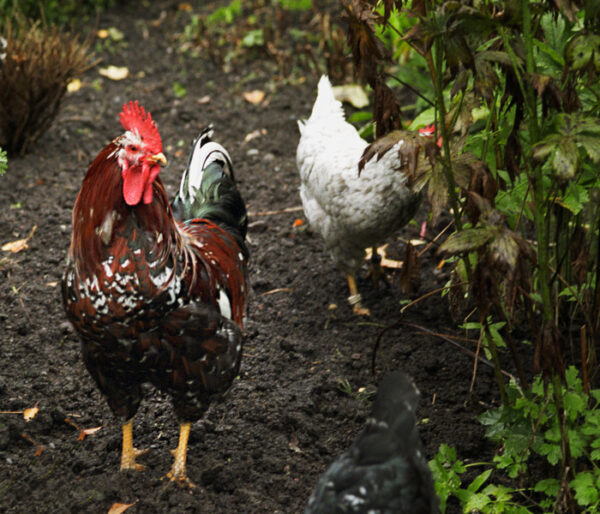
The importance of genes in native poultry breeds
Sweden’s traditional native livestock breeds are an important part of biodiversity and are often resistant to parasites and disease. This project examines the characteristics of native poultry breeds, with Skansen contributing feather samples from its heritage breeds.
-
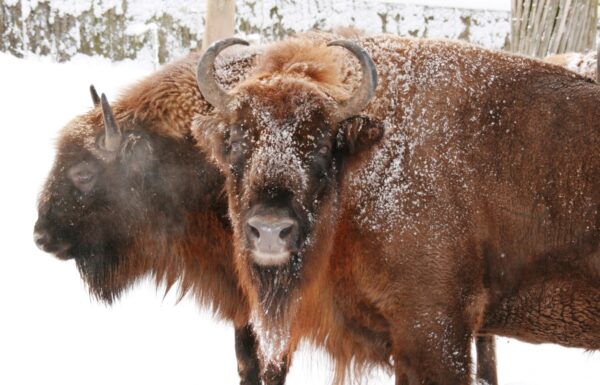
Studying microorganisms in wolverines and European bison
Researchers from Uppsala University study faecal samples from Skansen’s wolverines and European bison to understand the role microorganisms play in wolverines’ ability to feed on carrion, and how these microorganisms may support European bison when animals are reintroduced into the wild.
-
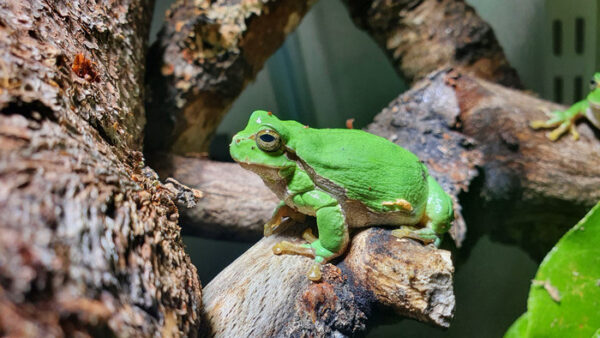
DNA from Skansen’s tree frogs in environmental monitoring research
Environmental DNA (eDNA) analysis is a powerful tool for assessing biodiversity and identifying which species are present in a specific area. Tree frogs at Lill-Skansen have contributed DNA to a study conducted by IVL Swedish Environmental Research Institute. The aim is to further develop methods that can improve environmental monitoring and biodiversity assessments.
-
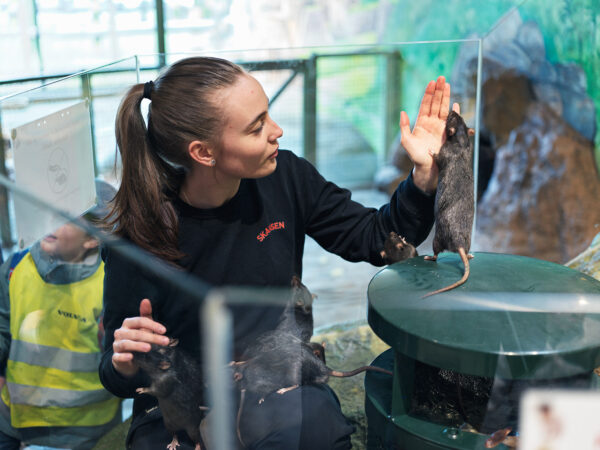
Skansen Zoo works with education, conservation and research related to the animals at Skansen. The organisation is non-profit, and the zoo’s primary purpose is to share knowledge about animals, nature and sustainability with visitors – every day.
-

About research in zoos
Zoos as a knowledge base for research
Over decades, zoos have built extensive knowledge about species – including reproduction, behaviour, social dynamics, parasitology and medical needs. Despite this, many questions remain unanswered. Zoos provide unique opportunities to study behaviours that are difficult to observe in the wild, contributing to a deeper understanding of animals’ lives and needs.
Multiple perspectives in zoo research
Research in zoos takes many forms. Through collaboration with universities and research institutions, studies can span a wide range of fields. Examples include behavioural studies aimed at improving animal welfare, as well as research into how zoo visitors best absorb knowledge and are inspired to engage in conservation of animals and nature.