Iron production has been important in Sweden since the Middle Ages. In Bergslagen region, in west-central Sweden, there was plenty of iron ore, and wealthy bergsmän lived and worked here.
Bergsmän had a special position in society. Through royal charters, they were given the right to mine ore in pits they owned themselves or together with others. The ore (often iron or copper) was taken to a smelting house where it was heated in a blast furnace.
The work followed the seasons. Ore was mined in summer, while work in the smelting house took place in autumn and spring. Ore and iron were transported in winter, when frozen ground and snow made heavy loads easier to move. Farming also had to be fitted into the working year.
The family at Laxbrogården
In the 1730s, Brita Michelsdotter and her husband Johan Knistedt lived in the main building, Laxbrogården. Brita had inherited the farm from her parents, Maria van Gent and Michael Hinderson. Her mother came from a successful merchant family with roots in the Netherlands and at this time, marriages were often strategic by bringing together capital, knowledge and useful connections.
A prosperous home
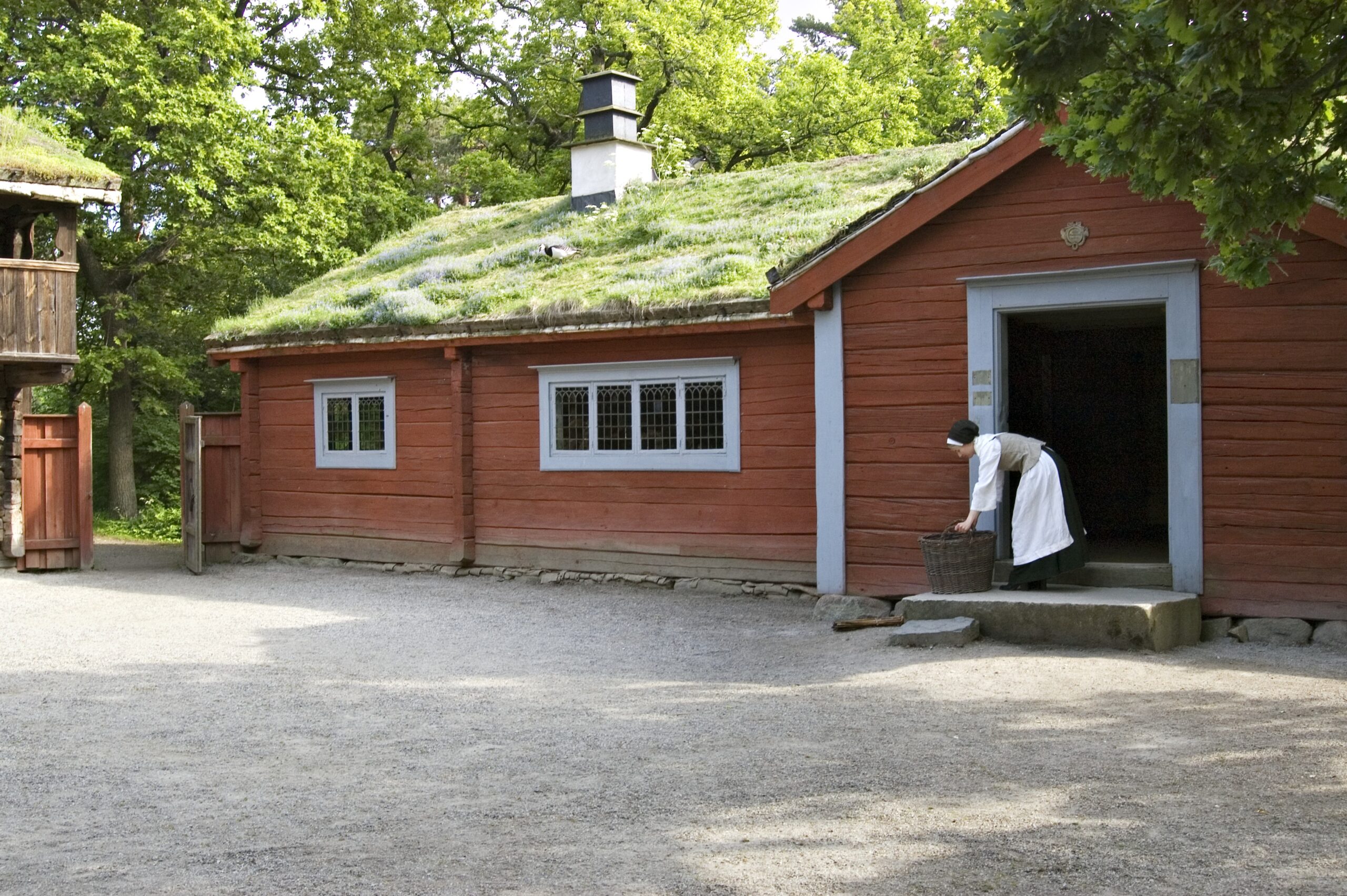
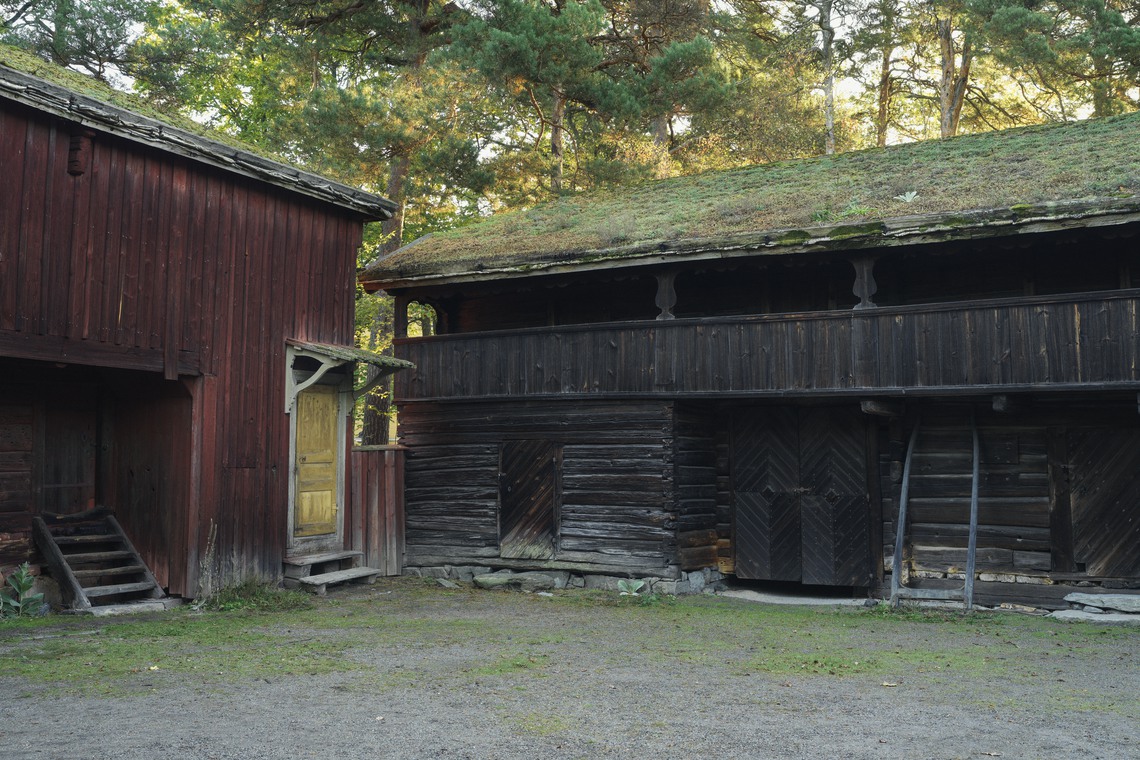
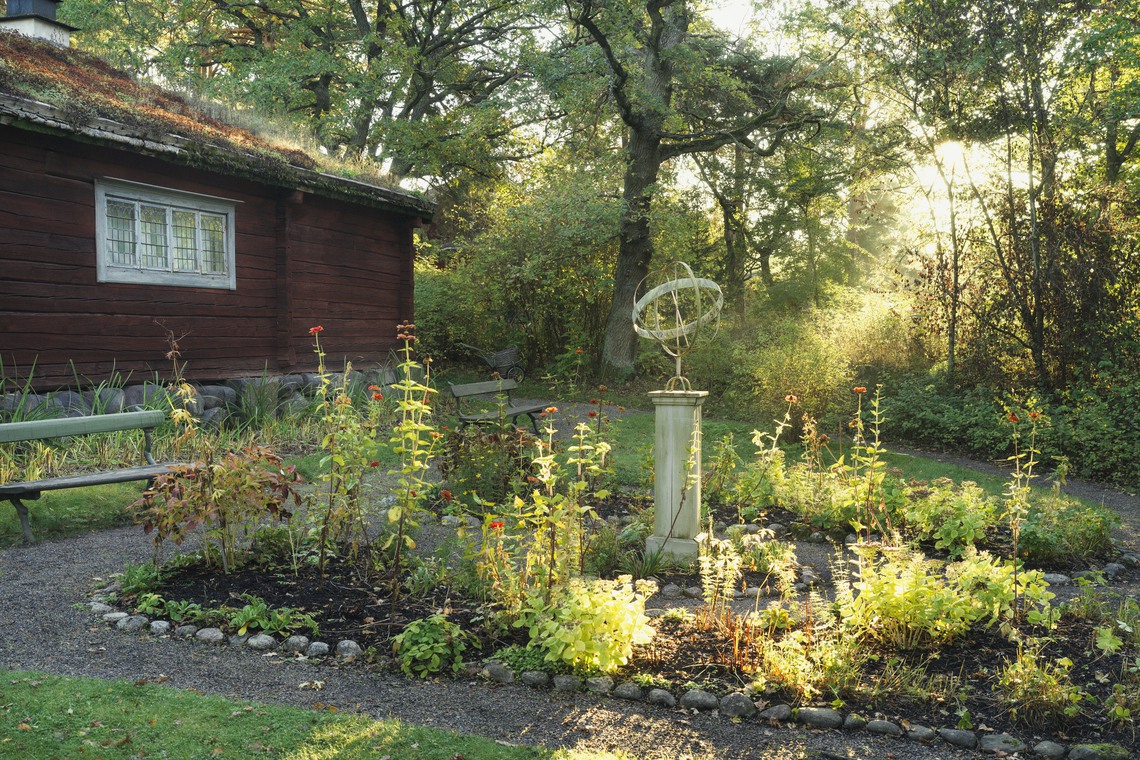
The houses of bergsmän were more elaborate than ordinary farmhouses. They could resemble small manors and were often painted red. In the 1700s, red-painted buildings were still a sign of status and it was only in the 1800s that more farmers began painting their houses red. Cast-iron chimneys were another sign of prosperity and showed that the family was well-off and held mining privileges.
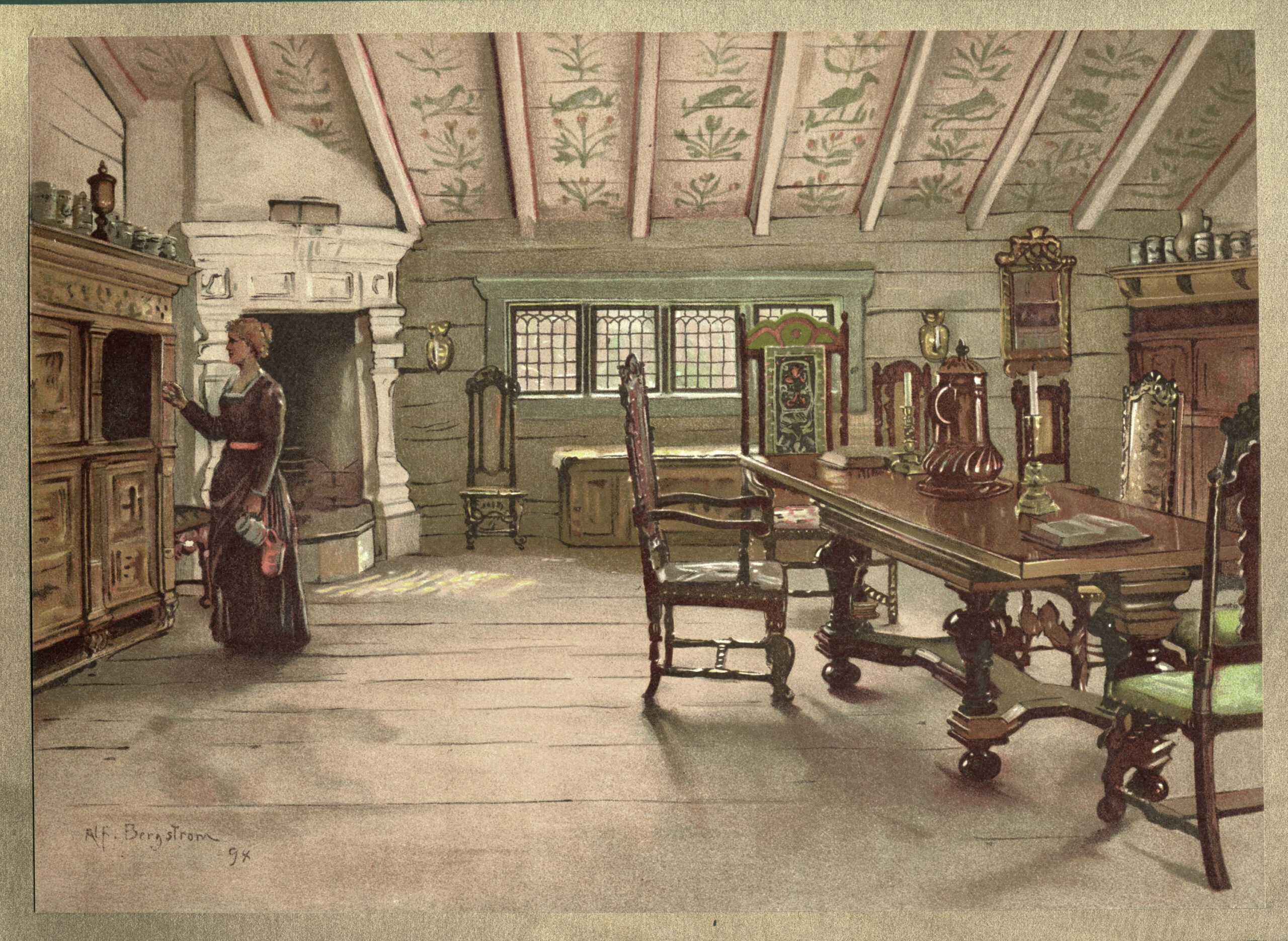
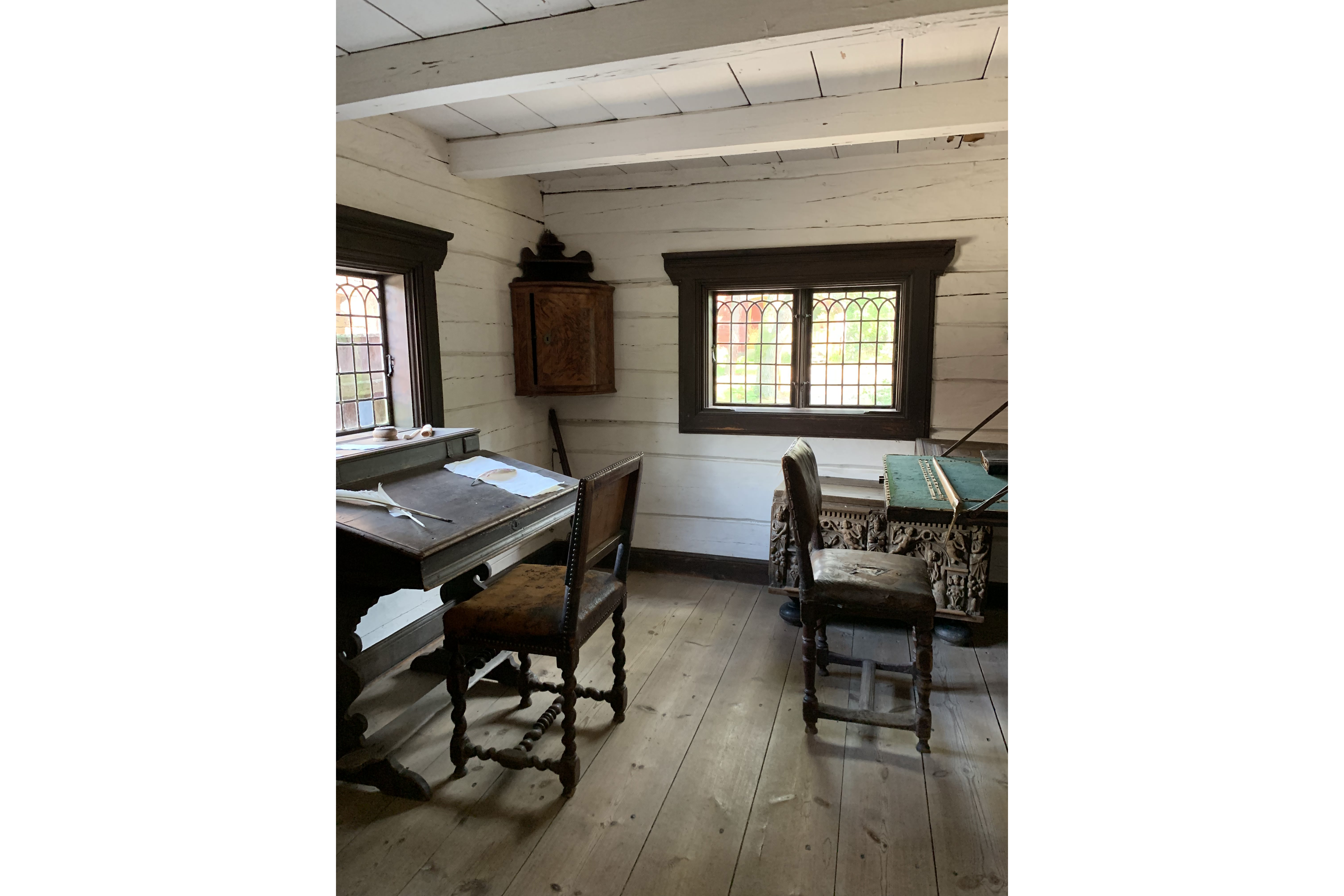
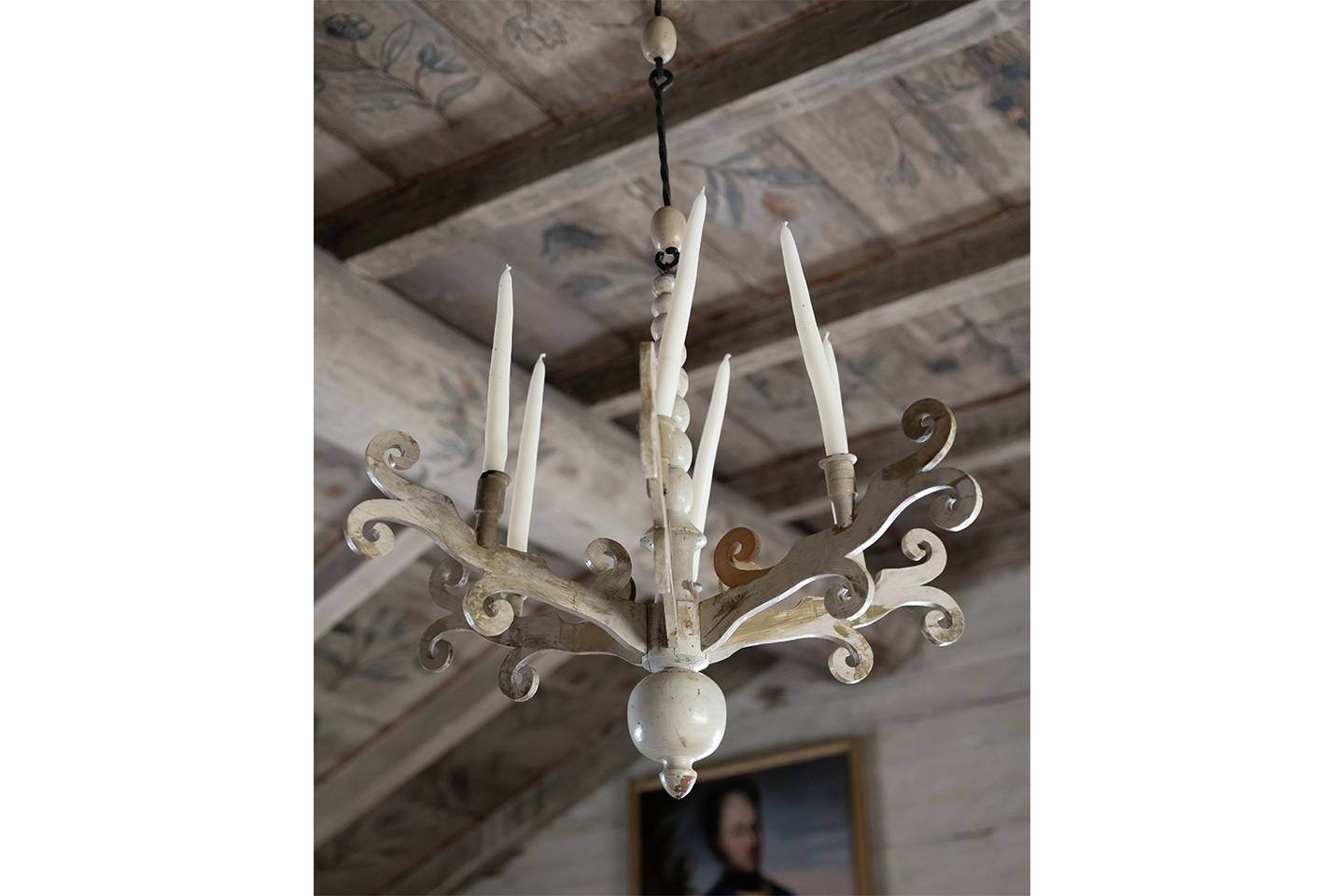
Inside, the houses were decorated with painted interiors and expensive furniture. Here, in the finest room (helgdagsstugan), the ceiling is painted with exotic plants and animals, including a stork holding a frog in its beak, and tulips – a highly exclusive flower at the time. The house also contains an early 1700s clock made according to a design by the Swedish inventor Christopher Polhem, as well as Skansen’s oldest piece of furniture.
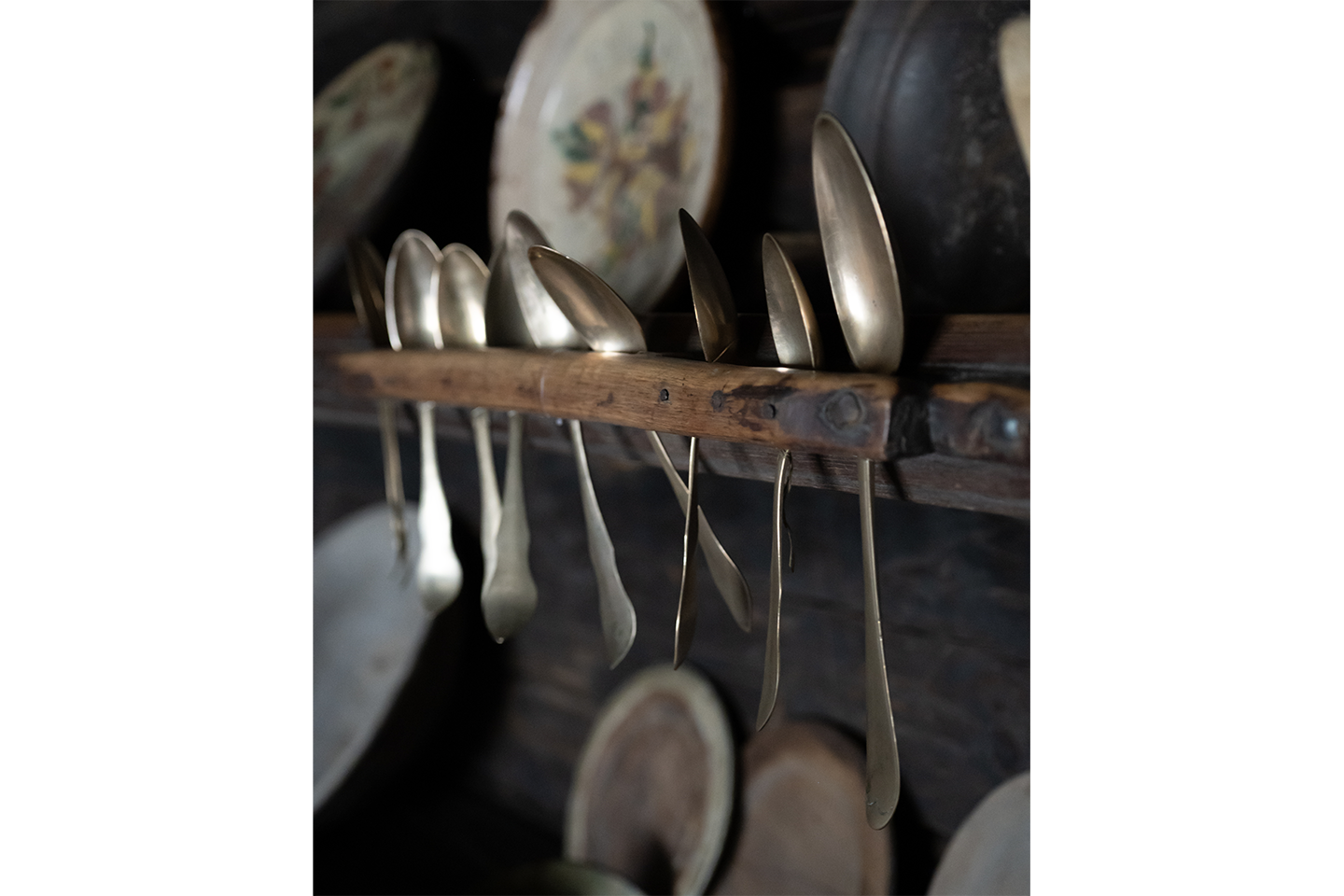
The farmstead also has a separate kitchen, which was another sign of wealth. Here, household utensils are made from many different materials. The simplest plates were wooden but the kitchen also contains pewter dishes, copper pans, silver spoons and imported faience plates.